Historical Context of Eco-Friendly Home Improvements
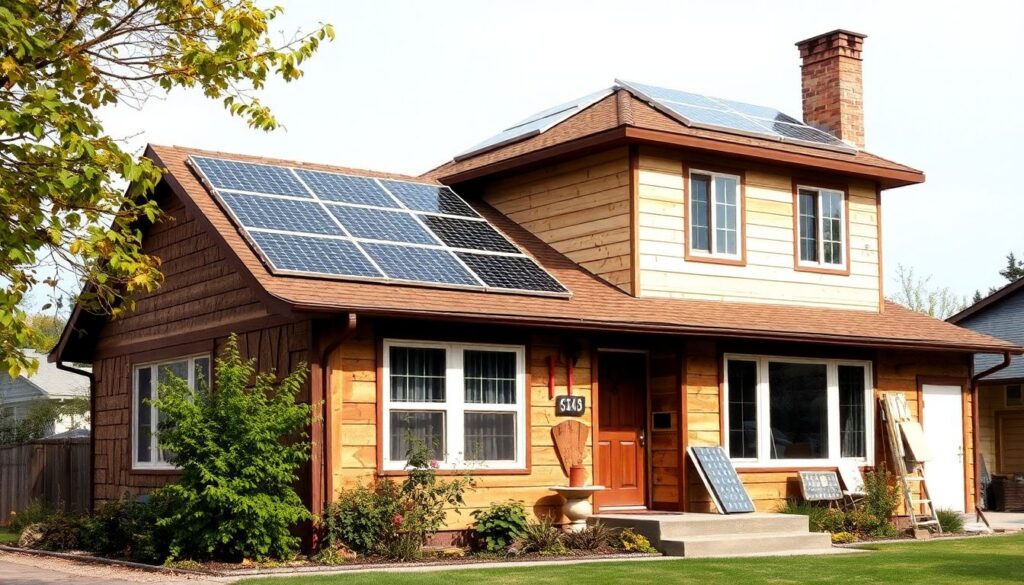
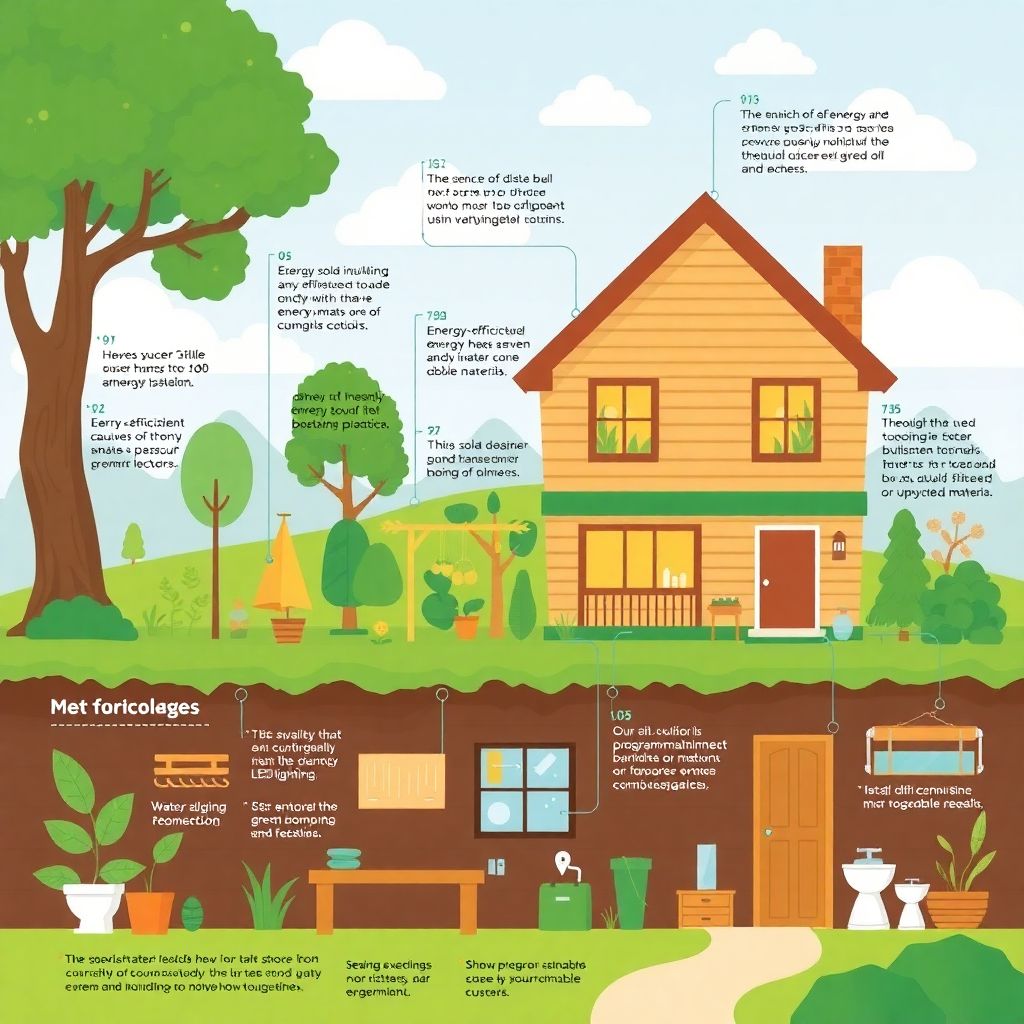
The emergence of eco-friendly home improvements can be traced back to the energy crisis of the 1970s, which prompted a reevaluation of household energy consumption and material usage. Initially, sustainability in home construction and renovation was primarily driven by necessity rather than environmental concern. However, in the late 20th and early 21st centuries, the rise of environmental awareness and global climate policy shifted this trend toward intentional ecological responsibility. Regulatory frameworks, such as the LEED certification system and the Energy Star program, standardized the principles of green building. Despite the growing popularity, the cost barrier remained significant, which led to the development of low-budget alternatives and grassroots solutions for environmentally conscious homeowners.
Core Principles of Budget-Friendly Sustainability
Eco-friendly improvements follow several key principles: energy efficiency, resource conservation, waste reduction, and indoor environmental quality. On a limited budget, prioritizing energy efficiency often yields the highest return on investment. This includes strategic insulation upgrades, LED retrofitting, and passive solar techniques that don’t require major structural changes. Material reuse and upcycling reduce both costs and environmental impact, aligning with circular economy practices. Water-saving installations, such as low-flow aerators and dual-flush toilets, also offer cost-effective sustainability. Importantly, the selection of non-toxic, VOC-free materials contributes to healthier indoor air quality without significant expense when sourced correctly.
Practical Examples of Low-Cost Green Upgrades
Several practical implementations demonstrate how homeowners can achieve eco-efficiency without substantial financial outlay. For instance, sealing air leaks with weatherstripping or caulk can significantly reduce HVAC loads. Installing programmable thermostats improves energy regulation with minimal upfront cost. DIY solar lighting for exterior spaces utilizes solar photovoltaic cells, eliminating the need for grid electricity. Rainwater collection systems, constructed from repurposed barrels, support irrigation needs while minimizing municipal water use. Even small-scale composting in urban environments reduces landfill contributions and enriches soil for home gardening, fostering a closed-loop system. These interventions exemplify accessible avenues toward sustainable living.
Common Misconceptions Among Beginners
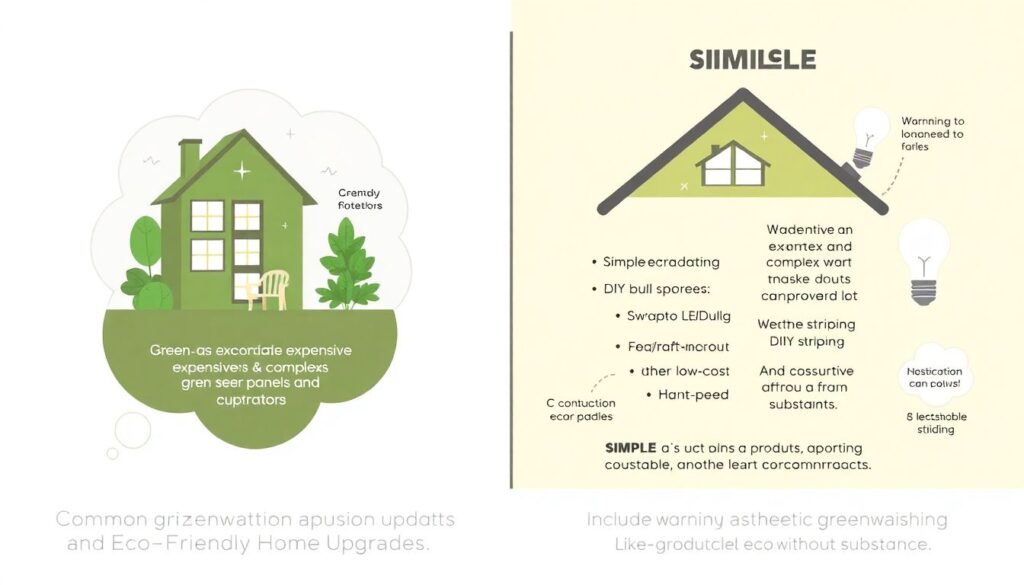
One pervasive misconception is that all eco-friendly upgrades are inherently expensive or require professional installation. In reality, many improvements—such as LED swaps or draft-proofing—are low-cost and DIY-friendly. Another error is over-prioritizing aesthetic greenwashing, such as buying “eco-branded” decor, rather than addressing energy inefficiencies or material sourcing. Novices also frequently underestimate the long-term savings of sustainable upgrades, focusing only on upfront costs without conducting payback period analysis. Additionally, reliance on unverified online advice can lead to ineffective or counterproductive installations. A technical understanding of building performance and life cycle assessment is essential for informed decision-making in green retrofits.
Frequent Errors in Execution and Planning
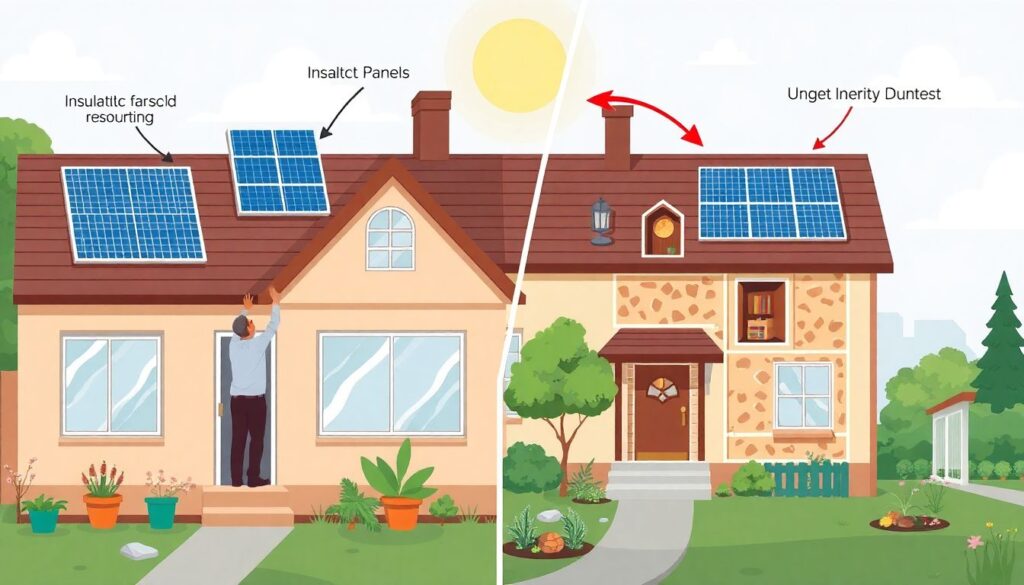
Newcomers often approach eco-friendly renovations without a comprehensive audit of their home’s current energy and resource performance. This oversight can result in misallocated budgets—investing in solar panels before resolving insulation gaps, for example, reduces system efficiency. Another common issue is improper ventilation when sealing homes, leading to elevated indoor pollutants. Inadequate assessment of local climate conditions may also lead to the selection of incompatible materials or technologies. Furthermore, neglecting maintenance implications—such as filter replacements in water-saving fixtures—can compromise long-term sustainability. A systematic approach using tools like energy modeling software or consulting certified energy auditors prevents these technical missteps.