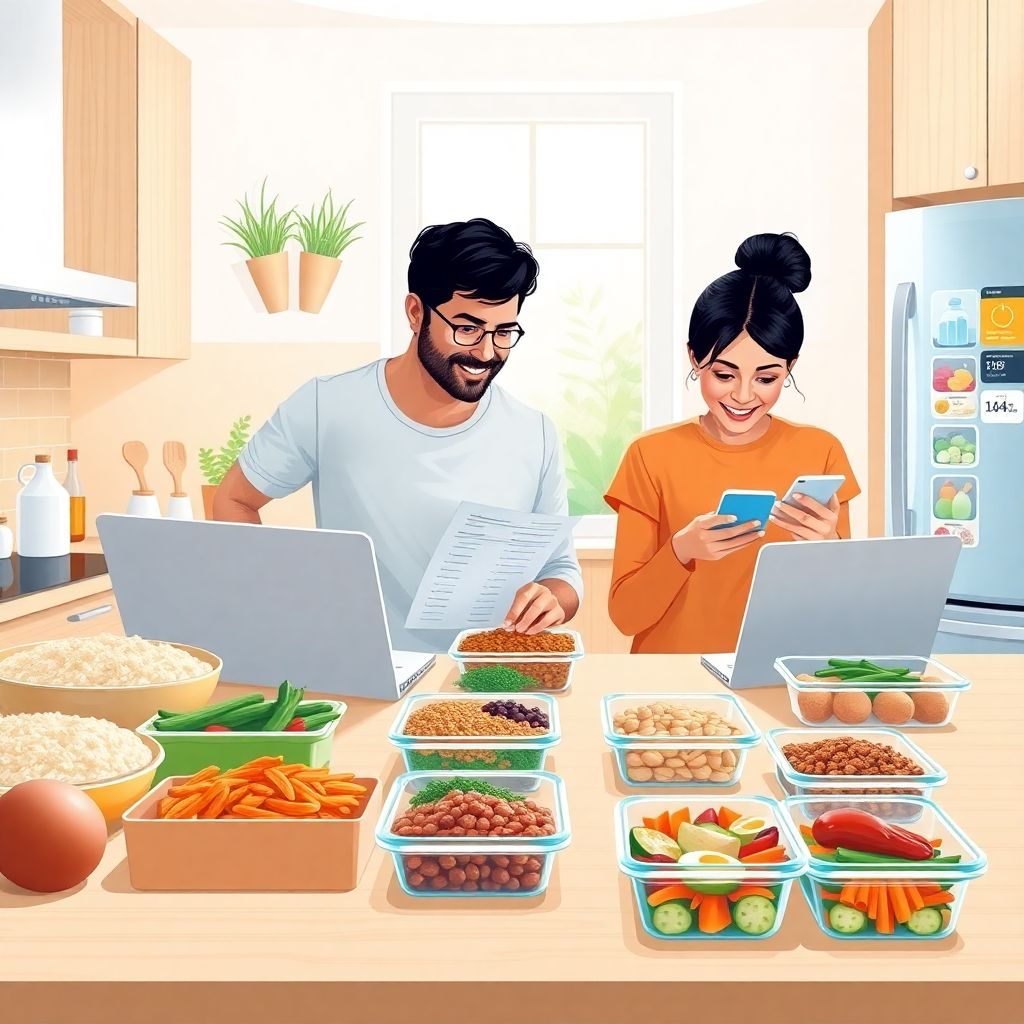
Why Budget-Friendly Meal Planning Feels So 2025
Food prices keep jumping, delivery apps are quietly raising fees, и people are finally asking: how do I eat well without torching my paycheck? Budget-friendly meal planning on a budget has shifted from a frugal hobby to a survival skill. In 2025, we mix spreadsheets with TikTok recipes, price‑tracking apps with grandma’s tricks. The goal isn’t just to save money; it’s to buy back time, lower food waste, and still enjoy food that feels comforting and modern, not like a permanent student diet.
Цифры: сколько реально уходит на еду сегодня
According to recent US and EU household surveys, food now eats up to 15–20% of monthly spending, and up to a third for low‑income families. At the same time, almost 30–40% of food purchased is wasted. That paradox is exactly where meal planning works: families who stick to even a simple plan report saving 15–25% on groceries. By 2025, Google searches for “meal prep” and “budget meals” have more than doubled compared to pre‑pandemic levels, showing how mainstream this approach has become.
Экономика тарелки: где прячутся реальные деньги
From an economic standpoint, the main enemies of your wallet are impulse buys, small frequent trips to the store and last‑minute delivery orders. Each urgent delivery quietly adds 20–40% to the cost of a meal. A structured low cost grocery list and meal plan cuts those premiums: you buy once or twice a week, stick to a route through the store, and exploit discounts on ingredients you’ll actually use. Multiply that by 12 months, и разница превращается в отпускной бюджет или подушку безопасности.
Современный каркас: как строится план в 2025 году
Instead of rigid old‑school menus, people now build flexible “frameworks”: a budget friendly meal plan for families might look like theme nights—pasta Monday, bowl Tuesday, sheet‑pan Wednesday—so you can swap ingredients based on discounts. Apps read your loyalty‑card data and suggest recipes around what’s on sale. AI tools help transform leftovers into new dishes, extending ingredients across several days. The result: predictability for your wallet without that “I’m stuck eating the same stew all week” vibe that killed earlier attempts at meal prep.
Пошаговый план: от хаоса к системе
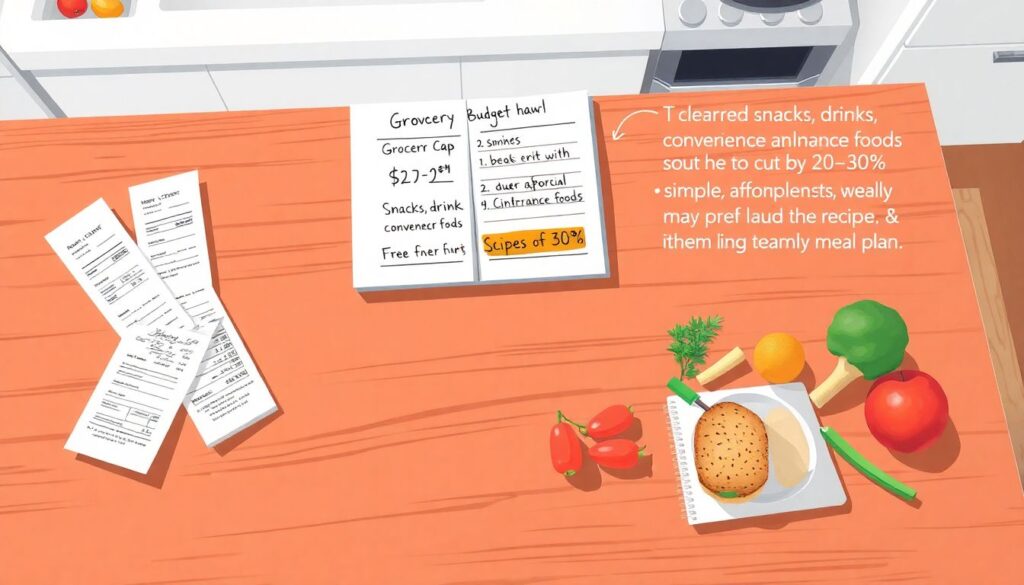
1. Start with a realistic spending cap for two weeks, not a month. Track your last three grocery receipts to see your baseline. Then decide which 20–30% to cut: snacks, drinks, or convenience foods. This is the number you’ll use to shape your weekly meal prep on a budget, choosing recipes that reuse core ingredients like grains, beans, and seasonal vegetables instead of single‑use specialty products.
2. Build your meals around “anchor” ingredients that are cheap, filling and versatile: oats, rice, lentils, frozen vegetables, chicken thighs, eggs. Plan 2–3 dishes that share the same anchors so nothing spoils. Later, layer in “fun” extras—cheese, sauces, herbs—when discounts allow. This is the backbone of affordable healthy meal plans that still feel interesting and flexible enough for different tastes in one household.
3. Write a store‑specific list, ordered by aisle. That simple trick slashes impulse purchases. Check apps for digital coupons and compare unit prices, not just sticker prices. If you’re short on time, some cheap meal planning services now integrate directly with supermarkets: you pick a menu and they auto‑fill the cart with store‑brand items and sale substitutions without you having to micro‑manage every barcode.
4. Batch‑cook strategically: instead of prepping seven identical lunches, cook versatile components—roasted vegetables, a big pot of grains, marinated protein. Then remix them into bowls, wraps and stir‑fries. This method keeps taste fatigue low and makes weekday decisions almost automatic. Freeze one or two portions each week to build a “backup stash” for those chaotic days that usually trigger takeout.
5. Review and adjust every Sunday: note which recipes everyone loved, which ingredients lingered in the fridge and which nights blew up your schedule. Use that intel to tweak your next plan instead of starting from scratch. Over a month or two, this turns into a customised system that quietly keeps costs down while reflecting your actual lifestyle, not some perfect Pinterest version of it.
Прогнозы: как будет меняться подход к еде
Analysts expect the global meal‑planning and meal‑kit market to keep growing 8–10% annually through 2030, but with a shift from luxury kits to value‑driven options. As food inflation stays sticky, digital tools will likely move from simply storing recipes to becoming personal “food CFOs,” simulating how a menu change affects your monthly spending and nutrition. We’ll also see more dynamic pricing, where apps nudge you toward ingredients that are temporarily cheaper due to surplus, nudging households into more sustainable habits.
Влияние на индустрию и повседневные привычки
Retailers already feel the impact: as shoppers embrace planning, they buy more store brands, fewer random snacks and more ingredients for scratch cooking. This pressures brands to offer bundle deals and recipe‑ready packs. Some supermarkets now market affordable healthy meal plans directly, tying them to loyalty programs. Restaurants, noticing fewer spontaneous visits on weekdays, are responding with family bundles and reheat‑friendly dishes that compete with home cooking rather than with fancy dine‑in experiences.
Где технологии подхватывают рутину
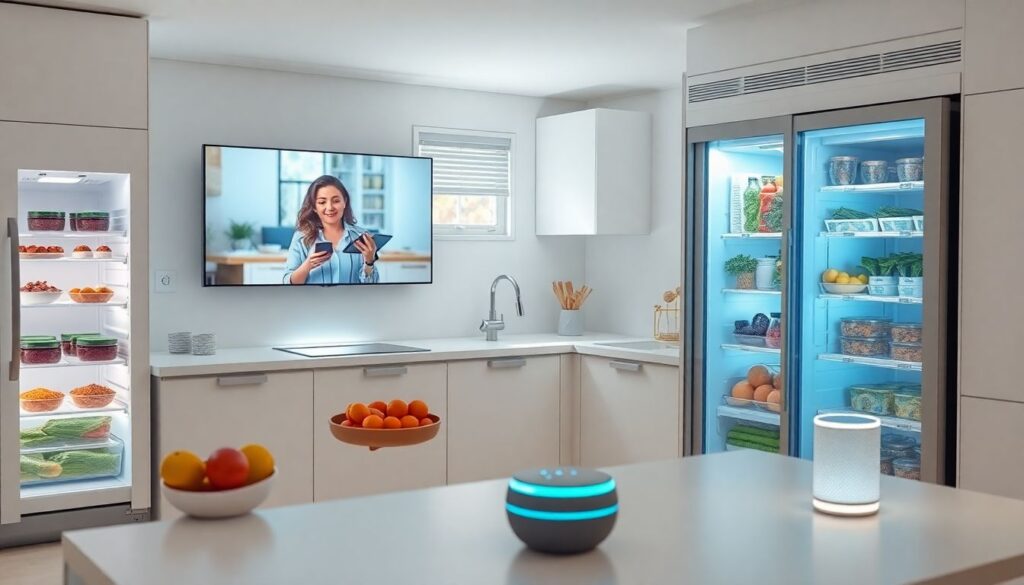
In 2025, the line between content and commerce is thin: creators share budget recipes, while a button underneath builds a low cost grocery list and meal plan in your favourite store’s app. Smart fridges track expiry dates and suggest recipes before food goes bad. Even voice assistants can now generate a quick budget friendly meal plan for families using only what’s already at home plus a short top‑up list. The more data these systems gather, the better they get at aligning taste, time and money—turning planning from a chore into a low‑friction routine.