
Why Insurance Should Be in Every Homeowner’s Budget
Owning a home in 2025 isn’t just about paying the mortgage and utilities. Insurance is a core part of your homeowner budgeting, even if it feels like “just another bill.” When a storm rips off part of the roof or a pipe bursts while you’re on vacation, a single incident can wipe out years of savings. A smart budget treats premiums as a safety line, not a luxury. The trick is to understand what you’re paying for, how to compare offers, and where you can responsibly save without leaving yourself exposed.
How Home Insurance Evolved: A Short History

Modern homeowner coverage has deep roots. In the 17th century, after London’s Great Fire, early fire insurance schemes appeared to help property owners rebuild instead of going bankrupt. Over time, as cities became denser and homes filled with expensive possessions, coverage expanded beyond fire to theft, storms and liability. In the U.S., big growth came after World War II, when mass suburban housing and long-term mortgages pushed banks to require policies, making protection a normal part of home budgeting rather than an exotic financial product.
From Fire Policies to All‑Risk Packages
By the late 20th century, traditional fire policies had evolved into today’s multi‑risk homeowner contracts. They now blend structure coverage, protection for belongings, and personal liability into a single package. In the 2000s and 2010s, comparison sites and homeowners insurance quotes online radically changed the market: instead of relying solely on a local agent, buyers could review dozens of offers in minutes. Today, algorithms price in crime statistics, local building costs, and even climate risk, turning insurance into a highly data‑driven part of your financial planning.
Basic Principles of Budgeting for Homeowner Insurance
At its core, budgeting for home insurance is about balancing three things: the value of what you own, the risks you face, and the level of financial pain you can bear in a disaster. You decide how much to insure, what perils to include, and how high a deductible you can afford. A clear picture of your income, emergency fund and renovation plans helps you avoid both extremes: underinsuring to “save money now” or overpaying for coverages that don’t fit your lifestyle or property type.
Key Elements You’re Actually Paying For
When you look past the marketing, most policies are built from similar pieces. To budget wisely, you need to know which of them really matter for you and which are optional upgrades. Typically, a standard policy includes:
– Dwelling coverage (the structure itself)
– Personal property (your stuff)
– Liability and medical payments
– Additional living expenses if you must move out during repairs
Each of these components can be tuned, and those adjustments are exactly where budget‑friendly optimization usually hides.
How Deductibles and Limits Shape Your Budget
Your deductible is the part of a claim you pay out of pocket first. A higher deductible usually lowers your premium, but only makes sense if you have savings to cover that upfront hit. Coverage limits cap what the insurer will pay, so they should reflect real rebuilding costs, not just what you hope is enough. It can help to experiment with a homeowners insurance cost calculator: changing deductibles, limits and add‑ons there gives you a rough sense of how different scenarios affect your yearly budget before you talk to an agent.
Finding and Comparing Policies Without Losing Your Mind
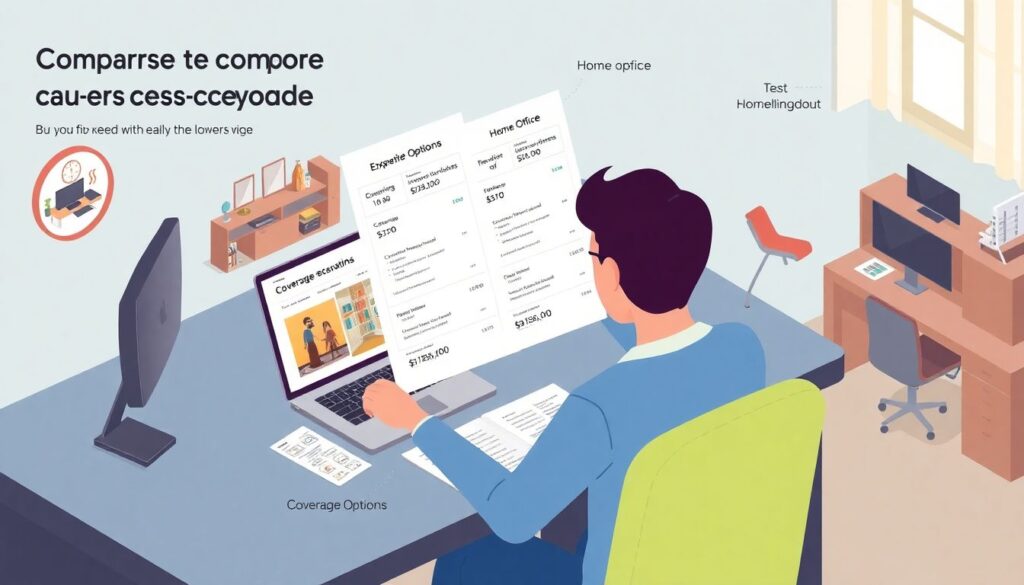
Comparison is easier than ever, but that doesn’t mean you should blindly chase the lowest price. Start by listing what you actually need: do you have expensive electronics, custom renovations or a home office? Then compare that list with the coverage options, not just the headline premium. The “right” budget number is the one where you could afford both the ongoing premium and the worst‑case deductible without collapsing your long‑term savings or derailing bigger goals like retirement or kids’ education.
Using Online Tools and Quotes Wisely
Digital platforms have made it simple to get homeowners insurance quotes online in a few clicks, but their estimates are only as good as the data you give them. Be accurate about home size, building materials and security features; rounding or guessing can lead to nasty gaps later. Get quotes from several of the best homeowners insurance companies and compare the details: covered perils, exclusion lists and service ratings. Treat quick online numbers as a starting point, then confirm them with a human who can walk you through “what if” scenarios.
Smart Ways to Keep Premiums Manageable
There are real ways to trim costs without cutting crucial protection. Insurers reward anything that statistically reduces claims, so investing in basic safety often pays for itself over time. Useful tactics include:
– Installing smoke detectors, leak sensors and deadbolts
– Upgrading wiring or roofing in older homes
– Asking about loyalty, alarm system or claims‑free discounts
On top of that, policy consolidation can matter. Many carriers offer meaningful home and auto insurance bundle discounts, which can shift a too‑tight insurance budget into a much more comfortable range.
Real‑World Scenarios: How People Actually Budget
Imagine a couple buying an older house in a flood‑prone area. Their mortgage lender demands coverage, but the base policy excludes flood. They use a calculator, estimate repair costs and realize that a cheap policy would leave them financially exposed. Instead of skipping protection, they choose a higher deductible and a targeted flood endorsement, then cut other discretionary expenses for a year. Their budgeting decision is less about finding the “cheapest” premium and more about aligning insurance with the specific physical risks their property faces.
First‑Time Buyers and Tight Budgets
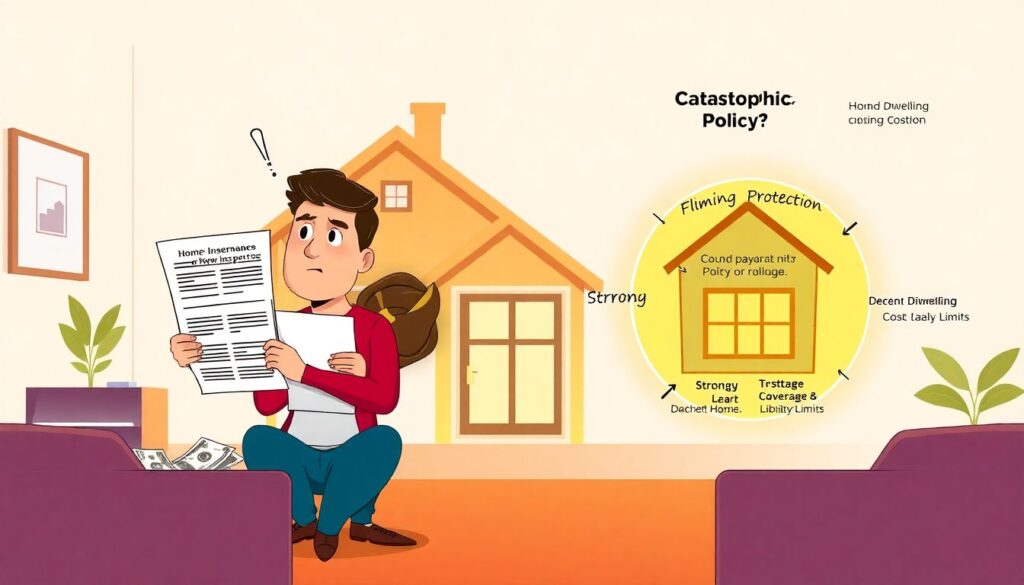
First‑time owners often have maxed‑out finances: down payment, closing costs, furniture. It’s tempting to hunt only for cheap home insurance for first time buyers and stop there. A more resilient approach is to focus on catastrophic protection first: solid dwelling coverage, decent liability limits, and a deductible that won’t wipe out their entire emergency fund. Optional extras, like high limits for jewelry or fine art, can wait a year or two. This staged strategy lets them stay insured without ignoring other priorities like debt payments and basic maintenance.
Long‑Term Owners Adjusting Over Time
People who’ve lived in the same home for a decade often outgrow their original coverage without realizing it. Maybe they finished a basement, added solar panels, or built a studio in the garage. Their original policy might no longer reflect the home’s real value. A prudent budget review every couple of years includes:
– Updating the dwelling amount after renovations
– Checking if valuables need separate riders
– Revisiting deductibles as income and savings grow
Adjustments like these keep the policy aligned with the actual property, preventing both silent underinsurance and needless overspending.
Common Myths That Wreck Homeowner Budgets
One stubborn myth is that “the bank wouldn’t let me be underinsured.” Lenders usually care only that their loan is somewhat protected, not that your entire lifestyle is. Another misconception says, “I’ll just upgrade coverage later if something changes.” Disasters, unfortunately, don’t wait for your next budget meeting. People also often assume that insurance covers everything, from routine wear and tear to minor maintenance issues, which leads to frustration and unrealistic expectations when a small but annoying problem appears.
Myths About Price and Company Choice
A lot of owners believe that switching carriers just to save a few dollars per month is always a win. But constantly chasing the lowest quote may erase loyalty discounts and create gaps in coverage if you miss small print. Others think only massive brand‑name insurers are safe, ignoring that some regional companies specialize in local risks like hurricanes, wildfires or heavy snow loads. The sensible strategy is to compare, once in a while, across several of the best homeowners insurance companies in your region, then choose based on value, not a single rock‑bottom price.
Myths About “Cheap” and “Expensive” Policies
It’s easy to label a policy as expensive just because the premium feels high. In reality, price has to be measured against what a total loss would cost. A low‑premium contract that excludes common local hazards is not cheap; it’s just quietly risky. On the flip side, a slightly higher premium that includes strong liability and realistic rebuilding limits can be a bargain. Budgeting for homeowner insurance isn’t about bragging that you pay the least; it’s about sleeping at night knowing a single lightning strike or lawsuit won’t erase years of financial progress.