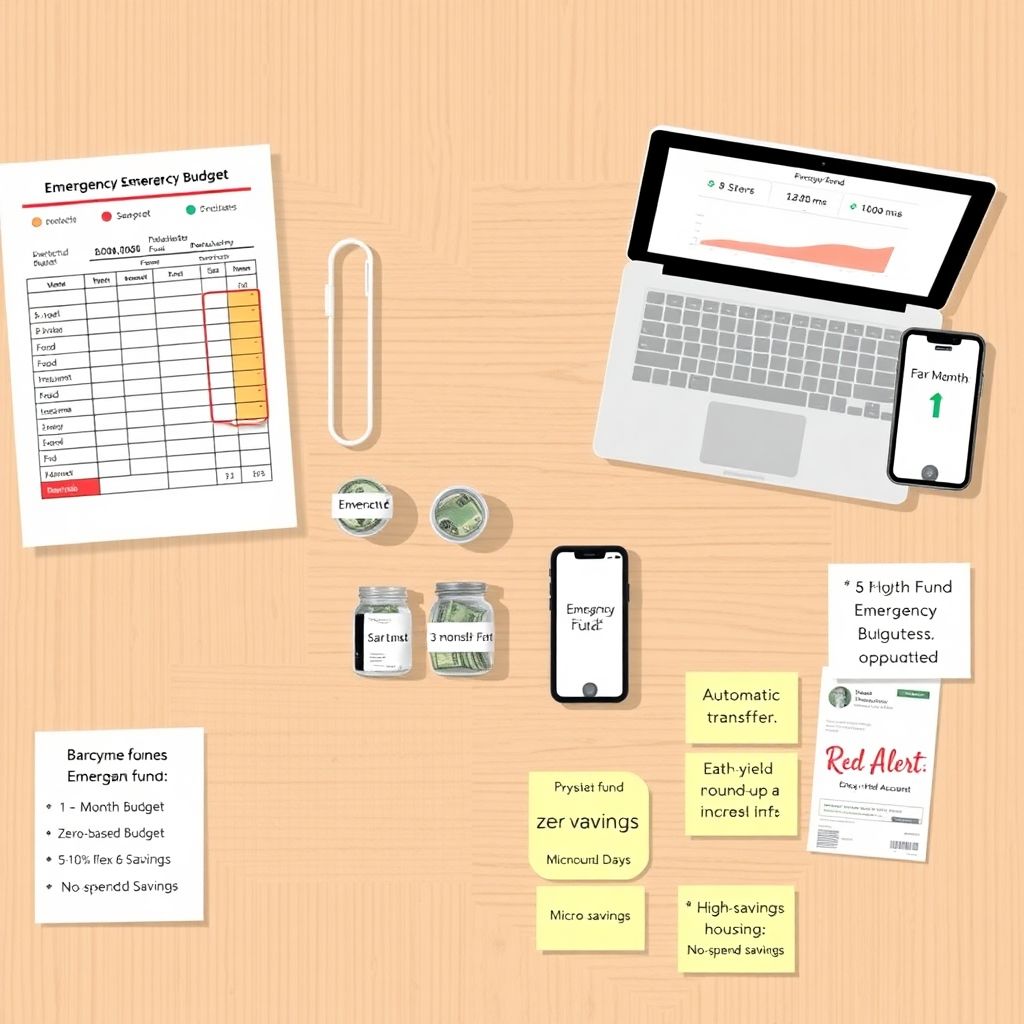
Why budgeting for emergencies is non‑negotiable
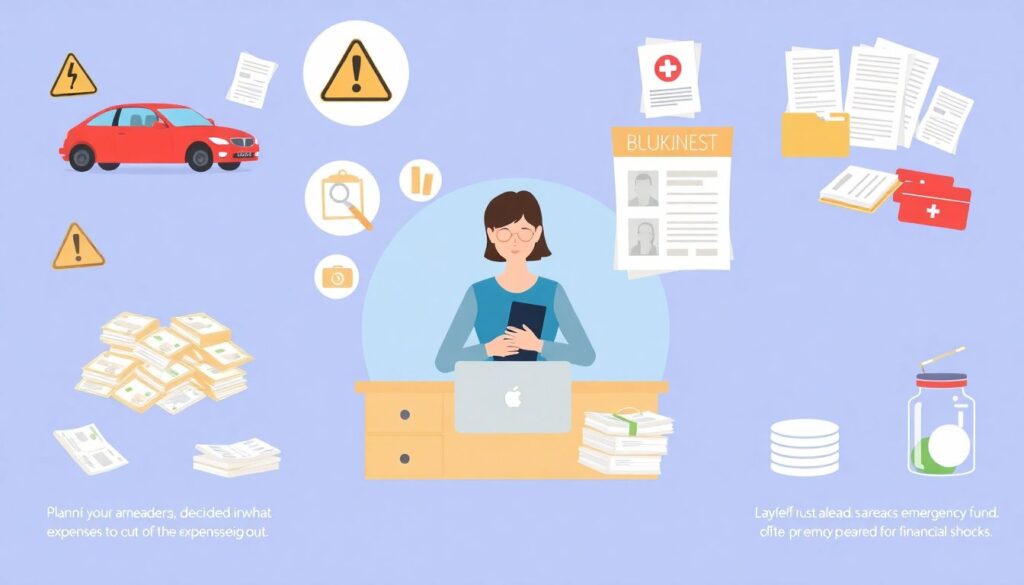
Most people only think about emergency money when something already went wrong: job loss, sudden medical bill, broken car. Budgeting for a financial emergency flips the script: you plan the damage before it happens. That doesn’t mean living in fear; it means you decide in advance what you’ll cut, what you’ll protect and how quickly you can recover. A clear structure turns chaos into a checklist, so even in a bad month you know which expenses get paid first and which can wait without wrecking your long‑term goals or your credit score.
Step 1: Define what counts as a “financial emergency” for you
Before numbers, decide what you’re actually protecting. For one person it’s rent and insulin, for another it’s childcare and car payments. Emergency budgeting works best when you separate real crises from annoyances. A sale on a new phone is not an emergency, but a dead phone you need for work might be. Write down your personal “red alert” list: events that threaten safety, health, housing or income. This list keeps you from raiding the fund for vacations or gadgets when temptation inevitably appears.
Step 2: Figure out the bare‑bones monthly budget
Next, calculate the leanest version of your life. Strip your budget to survival mode: rent or mortgage, utilities, basic food, transport, insurance, minimum debt payments. Skip takeout, subscriptions and impulse shopping. Add those essentials and you’ll see the minimum amount you must cover to stay afloat for one month. This number is the base for answering “emergency fund how much should I save” in a way that matches your reality instead of some generic rule from a blog or finance book.
Three popular emergency fund targets: pros and cons
There are three common approaches to deciding fund size. The ultra‑lean target is one month of bare‑bones costs; it’s fast to reach and great for beginners, but won’t handle job loss. The classic rule is three to six months of expenses: strong protection, but it can feel impossible when income is tight. The flexible approach uses ranges: one month first, then three, then maybe six to nine if your job is unstable or you’re self‑employed. This staged method keeps you motivated without ignoring real‑world risk.
Use tools, not guesswork: calculators and projections
Instead of trusting your gut, plug numbers into an emergency savings calculator online. Enter your lean monthly expenses, how much you can contribute each month and any starting balance. The tool shows how long it will take to reach one, three or six months of coverage. You can play with scenarios: “What if I add $30 more?” or “What if my rent goes up?” Seeing timelines on screen makes the process less abstract and helps you pick a realistic savings target that doesn’t crush your everyday budget.
Approach #1: “Pay yourself first” and automate everything
The first strategy treats emergency savings like a non‑negotiable bill. On payday, money moves automatically to a separate account before you see it. This “pay yourself first” method works brilliantly for people who hate tracking every coffee or receipt. The downside: if income is extremely tight, a fixed transfer can cause overdrafts unless you adjust it regularly. Still, for most earners, even a small automatic amount builds momentum because you no longer rely on willpower at the end of the month when nothing is left.
Approach #2: Detailed zero‑based budgeting
Zero‑based budgeting gives every dollar a job: bills, savings, fun, debt. The emergency fund becomes one of those jobs, not an afterthought. You look at your income, subtract fixed bills, then decide exactly how much goes to the fund and where to cut if needed. This strategy suits people who like control and data. It takes more time at first, but you see clearly why money is or isn’t available. If you struggle with “Where did it all go?”, this method exposes leaks and turns vague intentions into specific line items.
Approach #3: Percentage‑based “flex” savings
Another way is saving a set percentage of income, say 5–10%, no matter what you earn that month. In a higher‑income month you save more; in a lean month you save less without feeling like you failed. This flexible method works well for freelancers or hourly workers whose income jumps around. The challenge is emotional: when the percentage is small, progress can feel slow. To fix that, combine this approach with milestones, like celebrating each $250 saved, so the focus is on progress instead of how far you still have to go.
Which approach fits which personality?
If you’re forgetful or busy, full automation (Approach #1) usually wins. If you love spreadsheets or budgeting apps, zero‑based (Approach #2) gives satisfying detail. If your income fluctuates and strict numbers stress you, percentage‑based (Approach #3) keeps things sane. You can also blend them: for example, automate a small minimum transfer, then add extra using a percentage whenever income is higher than usual. Testing approaches for two or three months each is better than waiting for the “perfect” method that never gets started.
Low income reality: building a fund when every dollar hurts
People often ask how to build an emergency fund on a low income when even rent feels heavy. The key is shrinking the goal and time frame. Instead of chasing three months’ expenses, focus on your first $100, then $250, then $500. Those amounts might not cover a job loss, but they absolutely handle a flat tire, a copay or a small repair that would otherwise go on a credit card. Tiny, regular contributions of $5–$15 still matter if you protect them fiercely and separate them from everyday cash.
Micro‑savings tactics for tight budgets
When income is limited, you need creative, repeatable tricks. For example, round up purchases in your banking app and send the difference to savings once a week. Capture any irregular money—rebates, gifts, tax refunds, marketplace sales—and send at least half straight to the fund. Try a “no‑spend” challenge on weekdays for optional items like snacks or apps. These micro‑moves won’t change life overnight, but they break the idea that saving is only for people with high salaries and leave your regular budget mostly intact.
- Skim raises or overtime: send at least 50% of every increase directly to the emergency fund.
- Downgrade one recurring bill (phone, streaming, gym) and lock that savings into an automatic transfer.
- Set a weekly “minimum save” amount, even $5, to keep the habit alive between bigger contributions.
Where to park the money: comparing account options
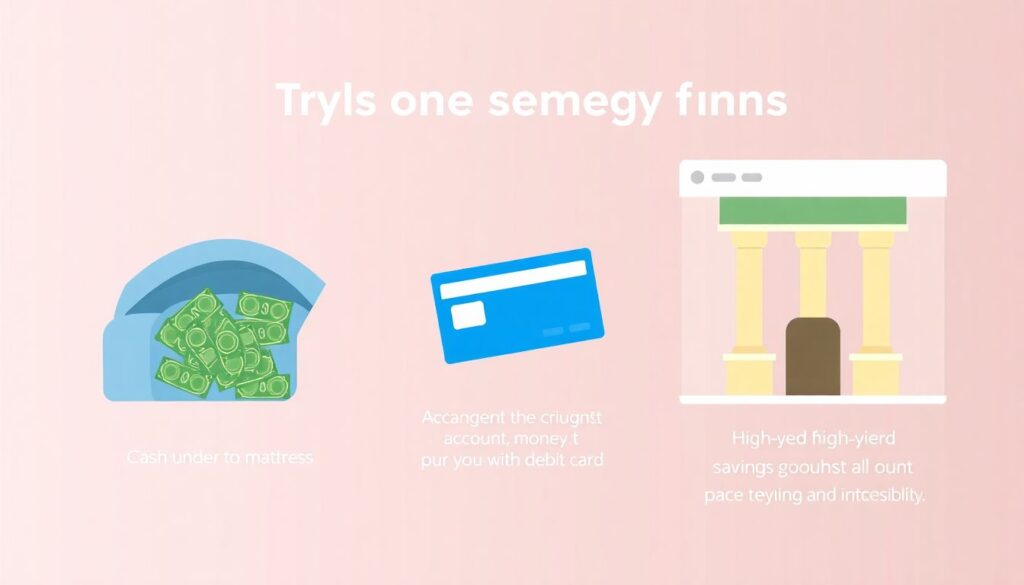
The place you store this fund matters as much as the amount. Cash under a mattress is accessible but earns nothing and can vanish too easily. A standard checking account is convenient, yet money tends to get spent accidentally. Many people look for the best high yield savings account for emergency fund goals: you get interest, FDIC or similar protection and quick access. The trade‑off is you must resist pulling money out for non‑emergencies just because the account is visible in your banking app.
Cash, savings, or investments: what’s actually “safe”?
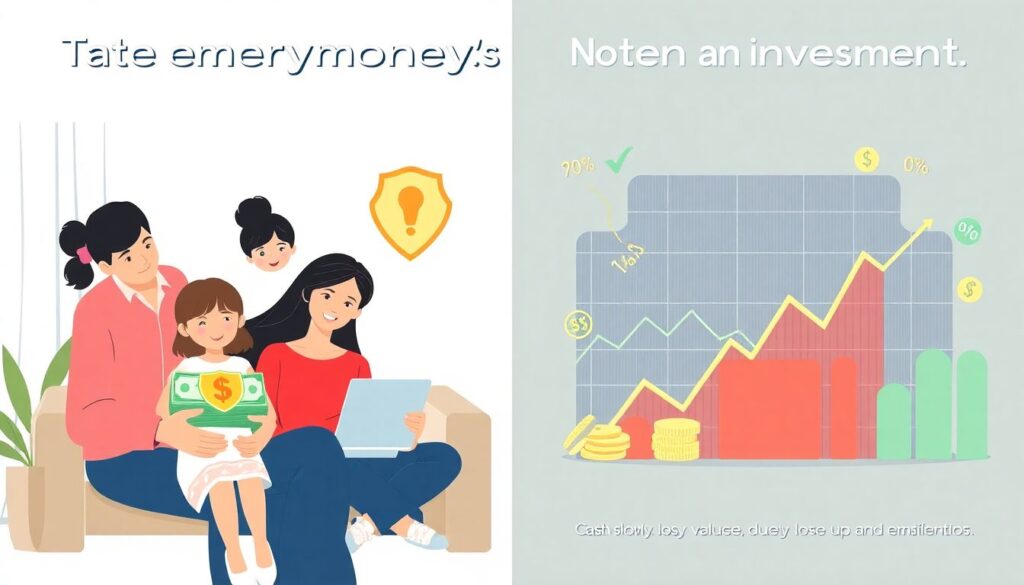
Think of emergency money as insurance, not an investment. Cash is safest from market swings but loses value slowly to inflation. High‑yield savings or money market accounts balance safety, interest and fast withdrawals, making them ideal for most households. Investing emergency funds in stocks or long‑term funds can backfire if the market drops right when your car dies. For that reason, treat investments as separate from the emergency fund. Only once you hit your target does it make sense to invest extra savings for long‑term growth.
Using professional help without overpaying
If this all feels overwhelming, you can tap financial planning services for emergency savings without committing to a full wealth management contract. Many planners now offer one‑time sessions or limited‑scope packages where they review your budget, set a savings target and suggest account types. Look for fee‑only advisors who charge by the hour or project so product commissions don’t influence advice. A single, focused meeting can fix blind spots, especially if you have irregular income, dependents or complex medical or housing costs.
Turning a crisis into a pre‑made action plan
Budgeting for emergencies isn’t just about saving; it’s also about knowing what you’ll cut first if income drops. Draft a “crisis budget” in advance: list expenses you’d pause immediately (subscriptions, eating out), then secondary cuts (vacations, upgrades), and finally tough decisions if the emergency drags on. Rank them from easiest to hardest to reduce. Store that list with your account details. When something bad happens, you don’t negotiate with yourself while stressed; you simply follow the script you wrote when your head was clear.
- Identify which bills are non‑negotiable for safety and housing.
- Note which contracts allow fast downgrades or pauses without big penalties.
- Keep contact info for landlords, lenders and utilities ready so you can request hardship plans quickly.
Handling debt and emergencies at the same time
Balancing debt payoff with building an emergency fund feels like choosing the lesser evil. Aggressively attacking debt while keeping almost no cash leaves you exposed to every small shock, often pushing you right back into borrowing. On the other hand, ignoring high‑interest debt to hoard cash is expensive. A balanced tactic is to build a starter fund—maybe $500–$1,500—then split extra money between debt and savings. That way, one surprise expense doesn’t instantly wipe out months of careful repayment progress.
Review, adjust, and let the plan evolve
No emergency budget is final. Rents change, kids arrive, jobs shift. Revisit your numbers at least once a year or after major life events. Use an updated emergency savings calculator online session to see if your target still makes sense and whether your monthly contribution should change. If your income rises, increase savings before lifestyle creep eats the difference. If money gets tighter, don’t quit saving entirely—scale back, but keep the habit. Consistency, more than perfect math, is what makes your emergency plan actually work.
Putting it all together: choose, start small, stay consistent
You’ve seen several approaches: automation, zero‑based budgeting, percentage saving, micro‑tactics for low income, and professional guidance. None is magical; all rely on one decision—treat emergencies as certain, not hypothetical. Pick the style that feels least annoying, not the one that sounds fancy. Open a dedicated account, set the first transfer, and write a simple crisis budget. When life throws the next surprise—and it will—you won’t avoid stress entirely, but you’ll have cash, a structure and fewer sleepless nights. That’s the real payoff.