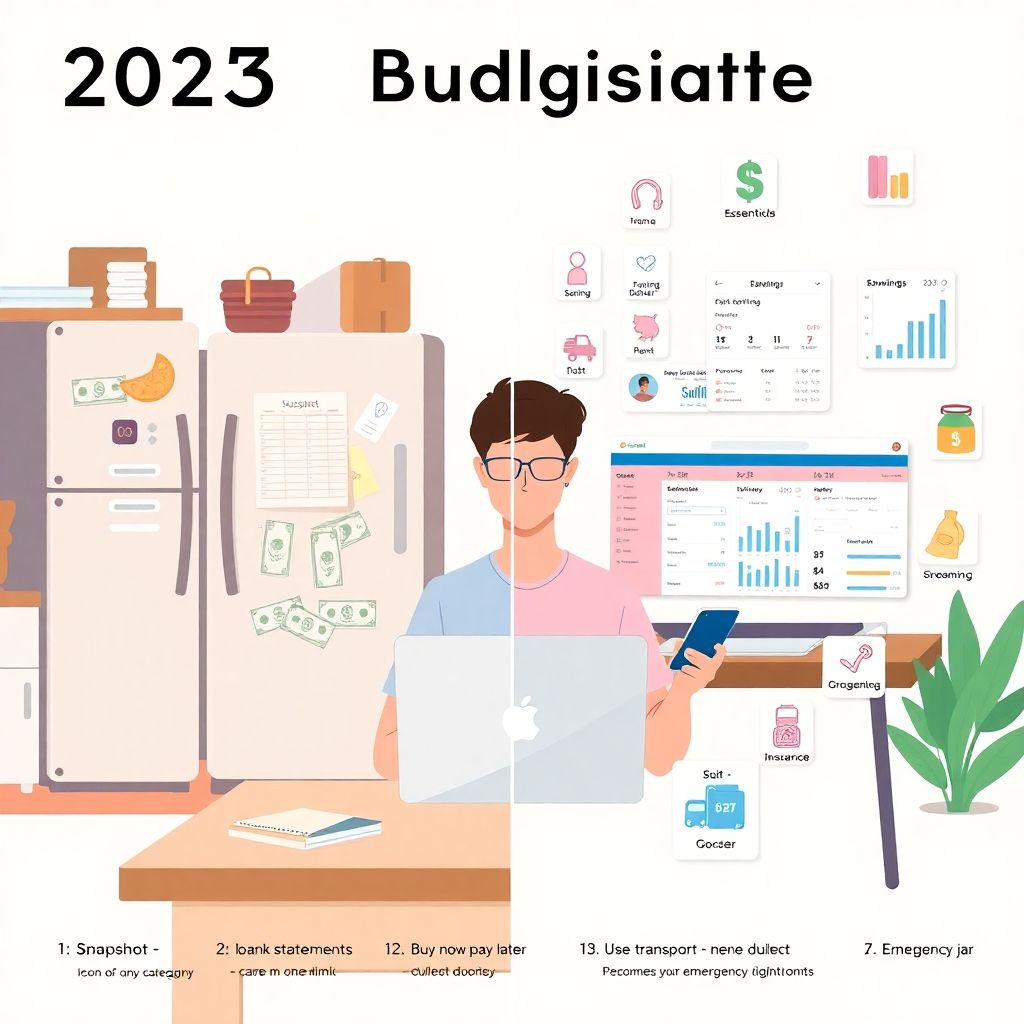
Why budgeting matters in 2025: a quick time‑travel

Half a century ago, “budget” often meant a handwritten list on the fridge and a pile of paper bills on the kitchen table. People were paid in cash more often, prices changed slowly, and your rent didn’t try to double overnight. Fast‑forward to 2025 and you’re dealing with subscription traps, instant online shopping, buy‑now‑pay‑later offers, and prices that seem to jump every quarter. That’s why budgeting for beginners today is less about strict restriction and more about building a simple control panel so you can see what’s going on before your money disappears. Think of this as a practical, step by step budgeting guide built for the digital age, not for a world of checkbooks and envelopes your grandparents used.
Step 1: Take a snapshot of your money
Before you worry about categories, apps, or “perfect systems”, you need a clear snapshot of what’s coming in and what’s going out. If you want to know how to start a budget from scratch, this is the non‑negotiable first move. Grab your last one to three months of bank statements, credit card histories, and pay stubs. Don’t analyze, don’t judge, just collect. Your job here is to understand reality, not to impress anyone. Once you see the actual numbers, vague stress like “I’m bad with money” turns into specific facts such as “I spent $260 on food delivery last month”, and you can work with facts. That shift from feelings to figures is where real control begins, even if the numbers initially surprise or annoy you.
– Download bank and card statements for at least the last full month
– List every source of income: salary, freelance, side gigs, benefits
– Note all debts: credit cards, student loans, buy‑now‑pay‑later plans
Step 2: Map your essential costs
With the snapshot in front of you, separate the expenses that keep your life running from the ones that are simply nice to have. Historically, this is where formal budgeting really started: governments and households first focused on funding essentials like food, shelter, and security before anything else. In your case, essentials include rent or mortgage, utilities, basic groceries, transport to work or study, minimum debt payments, and necessary insurance. Go through your list and tag every line as “essential” or “non‑essential”. Be honest: a streaming service might feel important, but if you had to cut it for a couple of months, you probably could. When you’re done, total your essentials and compare them to your monthly income; that ratio tells you how tight things really are.
– Housing: rent or mortgage, property taxes if relevant
– Basics: utilities, phone, internet, essential groceries, transport
– Safety: minimum debt payments, insurance, childcare or medical costs
Step 3: Design your first spending plan
Now you can sketch a simple spending plan, which is just a more friendly phrase for “budget”. Think of this as a personal budget planner for beginners, built out of a few clear buckets instead of fifty micro‑categories. Start with your monthly net income, subtract your total essentials, and see what’s left. That leftover amount is where your choices live: debt payoff beyond the minimum, saving for emergencies, fun money, small investments, or education. Instead of copying someone else’s percentage rules, assign amounts that make sense for your life right now, even if they’re tiny. For example, if money is tight, you might put only a symbolic amount into savings just to build the habit, while focusing more on cutting non‑essentials. The goal of this first plan is not perfection; it’s simply to have a clear script for your money before the month starts.
Step 4: Choose your tools (apps, sheets, or paper)
People survived for centuries with nothing but notebooks and ink, so you absolutely don’t need fancy software to manage your money. Still, we’re in 2025, and using smart tools can make things easier if you like automation. The best budgeting apps for beginners usually do three things well: they sync with your bank accounts, they categorize spending in a way you can understand, and they show you—preferably in real time—how much you have left in each category. If you hate apps, a simple spreadsheet or a printed worksheet can be just as powerful; the key is consistency, not technology. Try two or three options for a week and pay attention to which one you actually open without dread; that’s your winner. A tool you enjoy using, even a little, will beat a “perfect” system you keep avoiding.
Step 5: Run a 30‑day test and adjust
Once your plan and tools are ready, treat the next month as an experiment, not a final exam. Tell yourself, “I’m running a 30‑day test on my budget”, and then follow the script you wrote as best you can. Track every expense—yes, every coffee, every taxi, every late‑night order—because the tiny items are often where leaks hide. At the end of each week, compare what you planned to what actually happened. If you overspent on food but spent less on transport, adjust rather than beat yourself up. Historical budgets, whether in ancient households or modern governments, were always revised as reality changed; yours should be flexible too. By the end of 30 days, you’ll know which categories were unrealistic, which habits surprised you, and where small tweaks will give you the biggest payoff.
Common beginner mistakes and how to dodge them
When people talk about budgeting for beginners failing, they usually describe the same handful of mistakes. The first is making a budget that belongs to an imaginary, super‑disciplined version of you, not the real you who sometimes impulse‑buys snacks or scrolls late‑night sales. The second is forgetting irregular costs—gifts, car repairs, annual subscriptions—and then feeling like the budget “doesn’t work” when those bills arrive. The third is all‑or‑nothing thinking: one bad week and the whole plan gets abandoned. To dodge these traps, deliberately build in some fun money, even if it’s small, start a tiny sinking fund for irregular expenses, and treat mistakes as information, not failure. Just as societies refined their financial systems over years, you’re allowed to revise your personal system month by month.
– Don’t ignore irregular expenses: break yearly costs into monthly chunks
– Avoid tracking fatigue: automate where possible and keep categories simple
– Never base your budget on willpower alone: reduce temptations and friction
Staying motivated when things get messy

Every long‑term money system runs into rough patches; history is full of economic crises, currency changes, and budget cuts. On a personal level, you’ll see the same pattern in miniature: surprise bills, sudden job shifts, health issues, or just months where everything feels too much. In those times, your budget shouldn’t be a source of shame; it should be a flashlight. Instead of ignoring your finances when they get messy, lean on the simple structure you’ve created. Shrink your plan down to the basics—income, essentials, and one priority goal—until life stabilizes. Write down one or two clear reasons you’re doing this: maybe you want breathing room between paychecks, less anxiety when you tap your card, or the freedom to move cities or change careers. Those reasons will carry you through the boring weeks when the numbers move slowly.
From zero to ready: your next 7 days
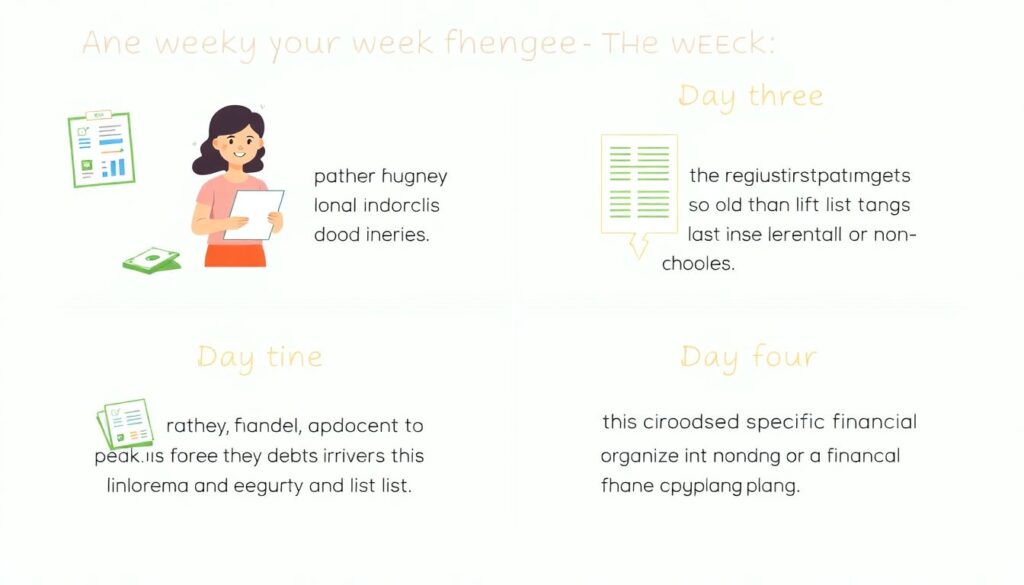
To turn this from a nice idea into something real, give yourself a one‑week challenge. On day one, gather your statements and list your income and debts. On day two, split last month’s spending into essentials and non‑essentials. Day three, build your first draft of a spending plan. Day four, pick a tool—a simple notebook, spreadsheet, or an app that feels intuitive for you. Day five, set two or three specific limits, like a maximum for eating out or rideshares. Day six, create a tiny emergency line in your budget, even if it’s just a few dollars. Day seven, review everything and remind yourself this is just version 1.0. By the end of these seven days, you’ll have moved from “I should really budget someday” to a concrete, living system. It won’t be perfect, but it will be yours, and that’s exactly what a beginner’s guide to budgeting is supposed to deliver in 2025.