
Historical Background of Sign‑Up Bonuses
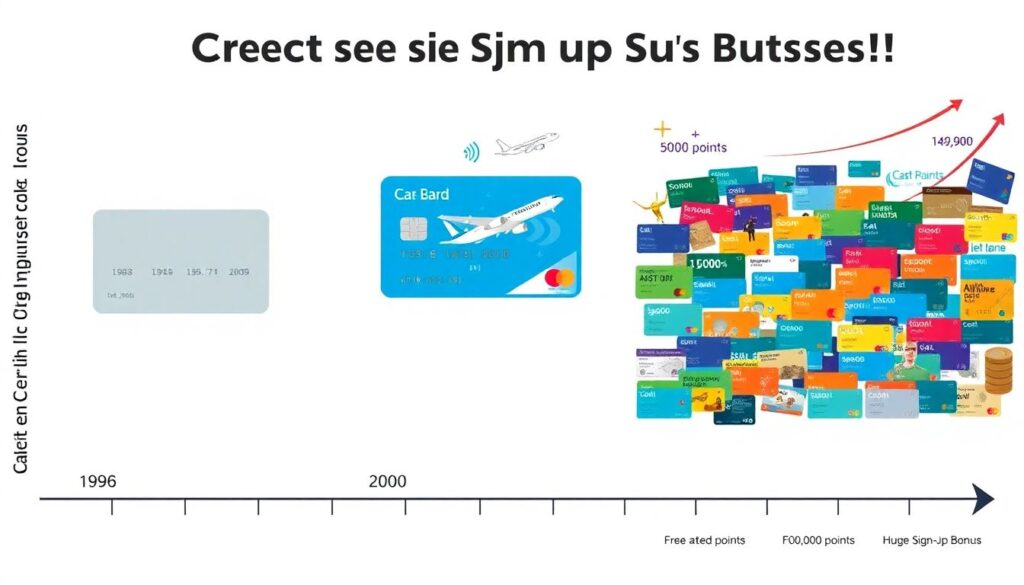
Credit card sign‑up bonuses started in the late 1980s as simple cash rebates, but the modern form really took off in the 2000s with airline co‑branded cards. Issuers realized that a one‑time incentive could cheaply buy long‑term customers, especially frequent flyers. After 2010, intense competition for prime borrowers turned welcome offers into an arms race: banks rolled out the best credit card sign up bonuses with huge mileage windfalls. By 2025, regulators and data analytics forced more targeted promos, but high introductory bonuses remain a core acquisition tool worldwide.
Core Mechanics and Basic Principles
Sign‑up bonuses usually attach to three variables: minimum spend, qualification window and reward type. You are required to hit a specific transaction volume, often in 90 days, to unlock points, miles or statement credits. The smartest move is to map expected expenses to the threshold before you even apply. When you compare credit card sign up offers, look past the headline figure and compute an effective yield: total bonus value minus annual fee, divided by required spend. This simple ratio exposes whether an offer is actually efficient or just flashy.
Evaluating Bonus Quality
To judge credit cards with highest welcome bonus, you need to estimate the “cents per point” you can realistically extract. Airline miles may be worth more than generic cashback if you redeem for long‑haul premium cabins, but less if you only book short domestic hops. Hotel points vary even more by brand and region. In 2025, dynamic pricing makes valuation fuzzy, so always test real itineraries and dates. A so‑called best travel credit card bonuses offer can collapse in value if the program routinely inflates award prices during peak seasons and holidays.
Practical Strategies for Smart Use
The most reliable tactic is to align minimum spend with predictable, non‑deferrable costs. Think tax payments, insurance premiums or planned home projects rather than impulse shopping. Ideally, you schedule applications around these “spend spikes” so the threshold is met organically. For risk control, limit yourself to one or two concurrent offers. Enthusiasts who chase best credit cards for sign up bonus churning often overestimate their capacity and end up juggling confusing due dates, multiple reward programs and potential utilization issues on their credit reports.
- Draft a 3‑month expense forecast before each application.
- Confirm which payments accept credit cards without excessive fees.
- Automate full‑balance payments to prevent interest erosion.
Real‑World Implementation Examples

Imagine you have a planned $3,000 dental procedure. You pick a card offering 60,000 points for $3,000 in 90 days, with a $95 annual fee. You schedule the procedure after card approval, pay with the new card and add regular groceries to close any gap. The net bonus value, if each point is worth 1.4 cents on realistic travel, is about $840 minus the fee. That targeted approach converts a necessary medical bill into a discounted vacation without changing your baseline consumption or inflating discretionary spending.
Layering and Stacking Techniques
More advanced users “stack” opportunities. One spouse may open a card with a rich airline bonus while the other takes a hotel‑focused product, synchronizing both with a major relocation or wedding. This creates parallel point streams for flights and lodging. To stay organized, maintain a simple spreadsheet logging approval dates, spend deadlines and expected bonus amounts. When you compare credit card sign up offers in this context, you think in terms of portfolio coverage: which currencies you lack and which trips are planned in the next 12–24 months, not just the raw bonus size.
- Separate cards by goal: flights, hotels, cashback, flexible points.
- Track each issuer’s rules on timing, eligibility and prior bonuses.
- Redeem high‑value points for scarce, expensive awards first.
Common Misconceptions and Risk Factors
One misconception is that more cards automatically mean higher net value. In reality, hard inquiries, higher utilization and missed payments can damage your score, increasing borrowing costs elsewhere. Another myth is that travel hacking is only for frequent flyers; in fact, a few well‑planned bonuses can cover a family trip every couple of years. The genuine hazard lies in carrying balances: if you revolve debt at 20% APR, interest quickly outweighs any bonus. Treat sign‑up incentives as an optimization tool, never as a reason to loosen your personal budget constraints.
Historical Shifts in 2025 and Future Outlook
By 2025, issuers are tightening eligibility rules, using behavioral data and internal scores to limit serial bonus seekers. Some banks impose strict “lifetime” language or multi‑year cooldowns, making it harder to churn aggressively. At the same time, competition from fintech players pushes programs toward richer but more complex ecosystems with transfer partners, temporary category multipliers and dynamic promos. Smart users will adapt by focusing on a few stable, high‑utility programs, using sign‑up bonuses as accelerators rather than the sole engine of their rewards strategy, and constantly reassessing valuations as loyalty schemes evolve.