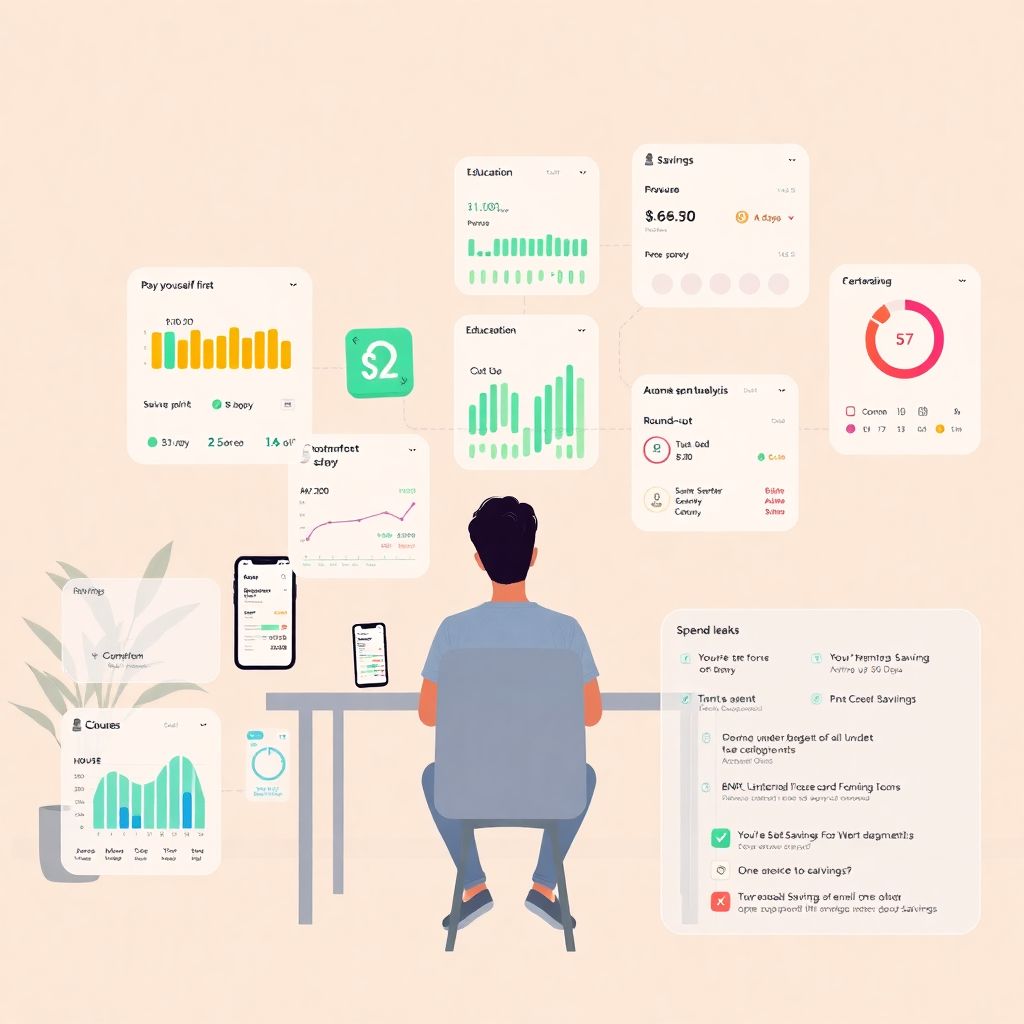
Why “Smart Saving” Looks Different in 2025
In 2025, saving money for big goals is less about cutting every coffee and more about using tech, automation, and psychology to your advantage. Open banking, AI-powered analytics, and automatic savings apps for big financial goals radically simplify what used to be a manual, boring process. The core idea is still the same: create a surplus and park it in the right place. But the execution now relies on digital infrastructure, data-driven decisions and behavioral nudges. If you lean into those tools, you can speed up progress towards a house, education, or early retirement without turning your life into a permanent austerity program.
Step 1: Define One Big Goal and Turn It Into Numbers
Before you touch any app, you need a target that is both emotional and numeric. “I want a house someday” is too vague; your brain treats it like background noise. Smart saving starts with converting dreams into concrete parameters: total amount, deadline, and monthly contribution. This transforms a wish into a financial project. For example, if you’re exploring the best ways to save money for a house, you don’t just Google mortgage rates; you calculate the down payment, add transaction costs, and factor in a risk buffer for renovations or moving expenses.
How to Quantify Your Big Goal
Take your goal and break it down into a formula: required capital, time horizon and expected rate of return. Even if you hate math, you can use a simple compound savings calculator or built-in planners in many neobanking apps. The idea is to see what monthly or weekly contribution realistically gets you there. If the number is scary, don’t abandon the goal; adjust variables such as timeline, side income, or spending categories. This is where modern fintech tools shine: they simulate scenarios, visualize trade-offs, and help you understand how much “fuel” your goal needs every month to stay on track.
Common Mistakes at the Goal-Setting Stage
A typical error is underestimating real costs and assuming linear progress. People forget taxes, fees, insurance, and inflation, or they assume they’ll save “more later” without any structural change. Another mistake is having five major goals competing for the same money, which dilutes progress and creates frustration. In 2025, it’s easy to open multiple goal-based sub-accounts, but that doesn’t mean you should chase everything at once. Prioritize one or two big targets, then assign clear priority labels so you don’t unintentionally fund low-impact goals while starving mission-critical ones like housing or debt reduction.
Step 2: Build a Lean, Realistic Budget Around Your Goal
Once you have a number, you reverse-engineer your monthly cash flow. This isn’t about obsessive spreadsheets unless you enjoy them; it’s about deploying the best budgeting tools to save for major life goals with minimal friction. Modern apps connect to your accounts, categorize transactions using machine learning, and highlight where your money actually goes. The goal is to construct a spending architecture where saving is “baked in” before you start swiping. Instead of asking “Can I afford this?” at the checkout, your system has already routed a set percentage to your goal the moment your paycheck lands.
Using Budgeting Tools in 2025 (Without Getting Overwhelmed)
Right now, the challenge isn’t a lack of apps; it’s digital clutter. Many people sign up for three or four tools, then abandon all of them. Keep it simple: pick one primary system and integrate everything there. Look for features like automatic categorization, goal envelopes, and alerts that warn you when you’re drifting off plan. Aim for a budget that is tight but livable, with explicit caps on variable categories like dining out or subscriptions. When your tool flags overspending, treat it as feedback, not a moral judgment. Adjust your categories or behavior consciously instead of ignoring the data and hoping it “balances out.”
Budgeting Pitfalls to Avoid
The biggest trap is designing a “perfect” budget you can’t actually live with for more than a month. Overly restrictive plans trigger a rebound effect: binge spending after a short period of discipline. Another issue is not reviewing your budget regularly; in a dynamic environment with price increases and lifestyle changes, a static plan becomes outdated fast. Finally, many beginners forget to incorporate irregular expenses such as birthdays, car maintenance or annual subscriptions. If you don’t amortize those into your monthly plan, they hit you like emergencies and drain your savings buffer, derailing your progress towards big-ticket objectives.
Step 3: Automate Savings So Willpower Becomes Optional

In 2025, the smartest move is to outsource self-control to automation. Instead of relying on daily discipline, set up recurring transfers that happen right after you get paid. Treat savings as a non-negotiable “bill” to your future self. This is where automatic savings apps for big financial goals really shine: they can round up transactions, skim small percentages from inflows, and send them to your goal-specific accounts. Some tools use behavioral economics, nudging you with micro-challenges like “Save an extra 10 this weekend” at moments when your cash flow allows it.
Practical Automation Tactics
A robust setup usually includes several layers of automation working together. You might have a fixed percentage transfer on payday to your main savings account, plus secondary rules like rounding up card payments, and occasional AI-suggested “boosts” during months with higher income. Many banking apps in 2025 also support conditional rules based on patterns: if your spending in a given category is below average, the unused portion gets redirected to savings. This architecture turns variable self-control into a predictable flow, compressing the time needed to hit your milestones without constant manual intervention.
- Set a fixed “pay yourself first” transfer for each paycheck.
- Enable round-up or “spare change” features tied to your debit or credit card.
- Use goal-based sub-accounts with nicknames to reinforce motivation.
Automation Mistakes and How to Avoid Them
One risk is over-automating without checking cash flow: aggressive rules can trigger overdrafts or force you to cancel transfers, which breaks trust in your system. Another mistake is scattering automated transfers across too many platforms, making it hard to track where your money actually is. Beginners should start with one or two simple automation rules and monitor results for a couple of months. Gradually layer in complexity only after you’re confident your base cash flow can support it. Periodic reviews are essential; automation is powerful, but if left unsupervised, it can quietly divert money in ways that no longer match your updated priorities.
Step 4: Use the Right Accounts for the Right Time Horizon
Not all savings vehicles are equal, especially when you’re planning around big timelines. For goals in the three-to-seven-year range, parking money in high yield savings accounts for long term goals is often more rational than taking on heavy market risk. These accounts in 2025 tend to be online-only, with competitive rates and optional sub-buckets for different goals. For ultra-short horizons, liquidity and capital preservation matter more than yield. For very long horizons, you might mix in tax-advantaged investment accounts, but still keep separate, low-volatility reserves for near-term milestones like a car or wedding.
Optimizing Yield Without Compromising Safety
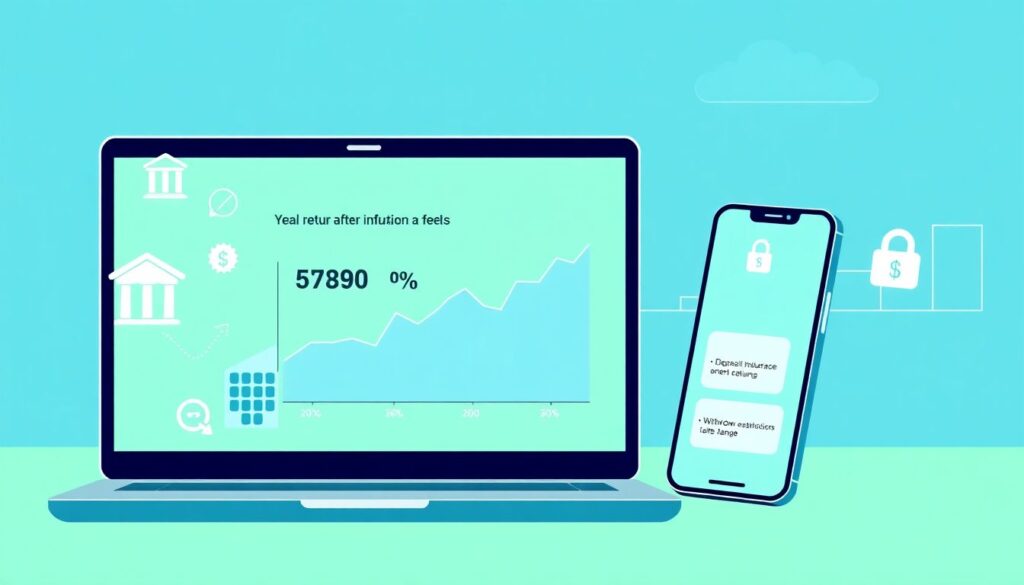
The key metric to watch is real return after inflation and fees. In a higher-rate environment, many digital banks and fintech platforms offer attractive yields, but you need to verify deposit insurance and withdrawal restrictions. Locking funds into rigid products can backfire if your goal date shifts or an emergency appears. A hybrid approach often works best: maintain a core cushion in a flexible, high-rate savings account, then allocate any surplus to slightly higher-yield but less liquid instruments. This layered strategy keeps you nimble while still benefiting from compound interest over the life of your savings plan.
Account Selection Errors New Savers Make
A frequent error is chasing the highest advertised rate without reading the conditions, such as minimum balances, teaser rates that drop after a few months, or strict withdrawal caps. Another mistake is using a single checking account for everything; without separation, you lose visibility and often spend money that was mentally “for the goal.” New savers should keep the interface simple: one primary everyday account and separate labeled savings spaces for each major target. This structural separation leverages mental accounting in a productive way, making it less likely you’ll raid your house fund to pay for spontaneous travel or gadgets.
Step 5: Speeding Things Up — Saving Faster for Big Purchases
Sometimes you’re on a tight timeline and need to figure out how to save money fast for big purchases without wrecking your quality of life. The 2025 approach combines two levers: short-term expense compression and tactical income boosts. Modern platforms make it easier than ever to pick up flexible gigs, sell unused items, or monetize skills online. On the spending side, subscription analytics and AI-driven insights help you identify recurring costs you barely notice but that significantly reduce your saving capacity. Short, intense sprints of elevated saving can dramatically accelerate progress when timed intelligently.
Micro-Strategies for Acceleration
During an acceleration phase, you can temporarily implement more aggressive rules: automatic skimming of all windfalls, redirecting bonuses or tax refunds entirely to your goal, or setting temporary spending freezes on low-value categories. Some apps now offer “challenge modes” that gamify these sprints with visual progress bars and rewards. The psychological component matters: by framing it as a 60–90 day sprint rather than a permanent lifestyle, you’re more likely to comply. Just be sure to define a clear end date and a reversion plan, so the sprint doesn’t morph into burnout-induced backlash spending when your willpower snaps.
- Schedule time-bound “saving sprints” with clear start and end dates.
- Allocate all irregular income—bonuses, gifts, side gigs—to your target fund.
- Use analytics to cut only low-utility spending, not everything that brings joy.
Acceleration Pitfalls
The main danger is confusing speed with sustainability. If your approach depends entirely on extreme frugality, you might hit the goal but damage your relationship with money. Another problem is ignoring tax implications of extra income streams, which can surprise you later and claw back part of your progress. Keep documentation, set aside a portion of side income for taxes, and factor that into your projections. Finally, don’t let temporary hustle become a reason to delay systemic fixes like renegotiating rent, refinancing high-interest debt, or restructuring recurring bills, which often produce more stable, long-term savings capacity.
Step 6: Plug the Leaks — Modern Spending Traps to Watch in 2025
Saving smart is not only about funneling money into goals; it’s also about avoiding structural leaks that constantly drain your progress. In 2025, key threats include Buy Now, Pay Later services, frictionless one-click purchasing and hyper-personalized ads that target your weak spots. These systems are optimized to increase your transaction volume, not your net worth. Being aware of their mechanics is a core defensive skill. When every app and platform is trying to convert attention into spending, you need deliberate friction: notifications off, cooling-off rules for non-essential purchases, and clear spending limits embedded in your financial architecture.
Behavioral Firewalls You Can Set Up
You can design your environment so that impulse spending becomes slightly harder than planned spending. Turn off saved cards in shopping apps, require two-factor authentication for payments, or use virtual cards with strict limits for discretionary categories. Many modern budgeting tools allow you to set soft and hard caps; when you hit them, transactions get declined or at least flagged. This may feel restrictive at first, but it effectively counters the ambient pressure to buy without thinking. Over time, these guardrails reshape habits, making it natural to pause, check your goal progress, and decide if the purchase truly aligns with your priorities.
Beginner Mistakes With Modern Payment Tech
New savers often underestimate how BNPL and subscription models compound. A few “small” instalments running in parallel can equal a car payment. Another error is ignoring trial-to-paid transitions; free periods quietly convert into recurring charges that rarely get used. Regular subscription audits are non-negotiable. Finally, contactless and digital wallet payments can create a psychological disconnect between spending and loss. If you find your awareness slipping, consider temporary friction strategies like weekly cash envelopes for problem categories, even in a digital-first era, just to retrain your sense of cost and prevent stealth erosion of your savings rate.
Step 7: Track, Review and Course-Correct Like a Project Manager
Treat your big financial goal like a long-term project that needs periodic review, not a “set and forget” plan. In 2025, you can sync all your accounts into dashboards that provide real-time net worth tracking and goal-specific timelines. Use monthly or quarterly check-ins to compare actual progress with your initial projections. If your savings rate, income, or expenses have shifted materially, update the plan instead of clinging to outdated assumptions. This data-driven iteration prevents the silent drift that causes many people to wake up years later realizing their dream has barely moved from where they started.
Key Metrics to Monitor
Useful metrics include savings rate as a percentage of net income, time-to-goal based on current contributions, and deviation from your planned budget categories. When you notice negative trends, investigate root causes instead of applying random fixes. Maybe your housing costs rose, or your side income decreased, or lifestyle creep slipped in via new subscriptions and upgrades. Once identified, you can choose a targeted response: renegotiate a contract, adjust your goal date, or launch a temporary savings sprint. The point is to stay in active control, steering rather than drifting, using your tools as instruments instead of just passive dashboards.
Mindset and Motivation Over the Long Haul
Long-term saving is less about heroics and more about consistency. To stay engaged, connect with the emotional payoff behind the numbers: visual boards, progress bars in your app, or periodic “preview experiences” like visiting open houses if you’re working on home ownership. Also, allow for small, planned rewards when you hit intermediate milestones so your brain experiences saving as something that brings pleasure, not just restriction. Over time, your identity shifts from “someone trying to save” to “a person who funds their big goals on purpose,” which is the deepest form of smart saving technique you can build.