Why “Smart Shopping” for HVAC Matters More Than Ever
If you’re thinking about a new heating and cooling setup, it’s tempting to jump straight to “What’s the hvac system installation cost near me?” and pick whatever seems cheapest. But modern HVAC is no longer just a metal box that blows hot and cold air. It’s a long‑term comfort system, a power‑hungry appliance, a silent partner in your energy bills, and a big factor in home value. Smart shopping is about looking beyond the price tag: matching equipment to your lifestyle, predicting real operating costs, and using current tech and financing tricks so you don’t overpay up front or every month for the next 15 years.
—
Different HVAC Approaches: Beyond “Just Get a Bigger Unit”
Traditional Central AC and Furnace Pair
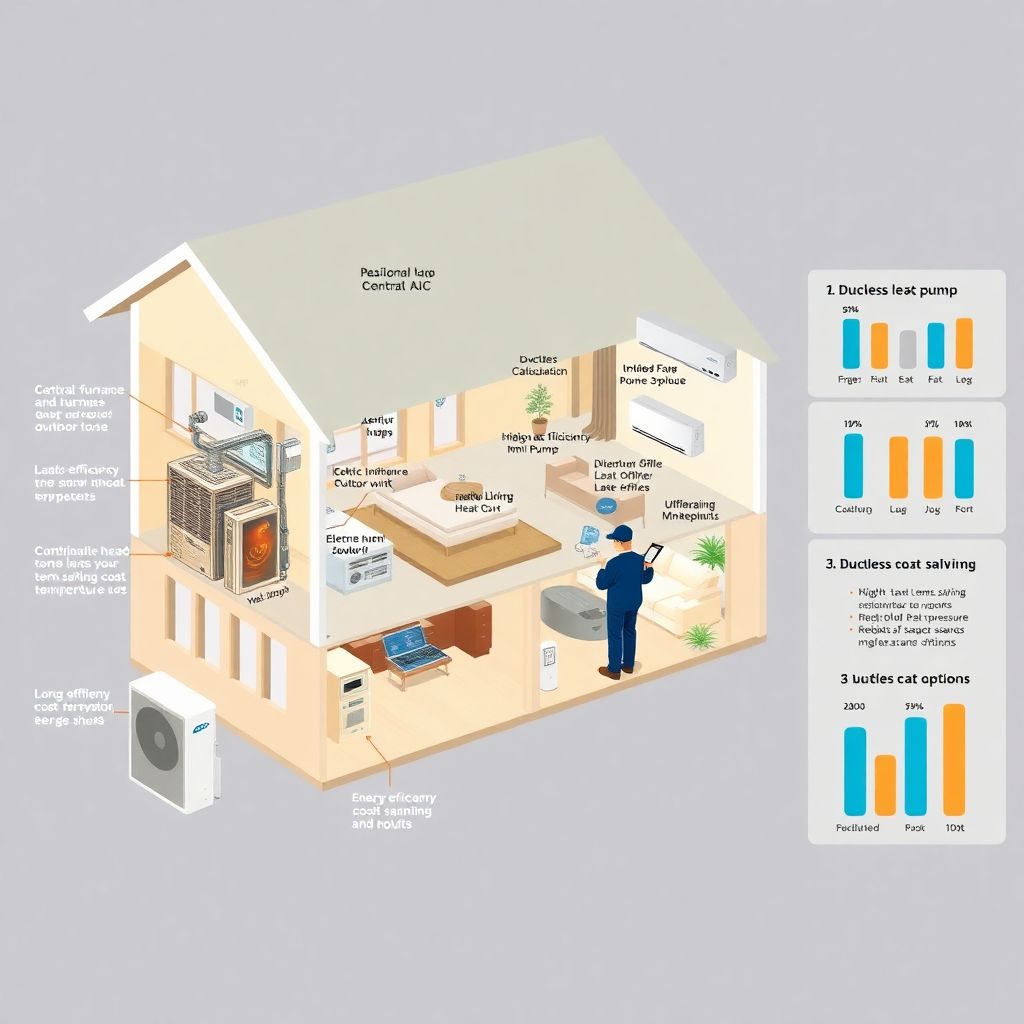
The classic combo in many homes is a gas furnace plus a split central air conditioner feeding ducts throughout the house. It’s tried‑and‑true, and most technicians are very familiar with it. If you like predictable comfort and you already have decent ductwork, this is still a perfectly valid approach. The important nuance is matching capacity to your house: oversizing “just to be safe” leads to short cycling, uneven temperatures, noisy starts, and a higher central air conditioning system price and installation bill than you actually needed. Smart shopping here means asking for a proper load calculation (Manual J or equivalent), not letting someone eyeball your square footage and guess.
—
Heat Pumps: All‑in‑One Heating and Cooling
Electric heat pumps used to have a reputation as “fine if you live somewhere warm.” That stereotype is dying fast. Modern cold‑climate heat pumps handle sub‑freezing temperatures surprisingly well, and manufacturers keep raising the bar each year. Instead of a separate furnace and AC, you get one system that can move heat both ways. For many homeowners, especially those with moderate winters or decent insulation, a heat pump becomes the default recommendation. It can dramatically cut gas use and often reduce total energy costs, particularly when paired with smart controls and tiered utility rates. The catch is that installation quality and correct sizing matter even more; a poorly installed high‑efficiency heat pump can feel underpowered and frustrating even though, on paper, it looks fantastic.
—
Ductless Mini‑Splits and Hybrid Setups
Ductless mini‑splits solve a bunch of annoying problems at once: hot second floors, stuffy bonus rooms, and additions that never seem to get comfortable. They’re also wildly efficient, especially in part‑load conditions. Where they shine is flexibility: you can heat and cool just the zones you actually use, instead of pumping conditioned air into that guest room once a week. For older homes with terrible or non‑existent ductwork, this can be less invasive and more cost‑effective than tearing open ceilings. A hybrid approach is also becoming more popular: keep your existing furnace for the coldest days, but add a heat pump or mini‑split to handle most of the year. That way, you ride the efficiency wave without needing to re‑plumb your entire heating strategy in one go.
—
Pros and Cons of Key Technologies (In Real‑World Terms)
Central AC + Furnace
For many households, a conventional system still hits a sweet spot between comfort, cost, and familiarity. Parts and service are widely available, which is handy if you don’t want to wait days for a specialized technician. However, you’re stuck running ducts everywhere, and duct losses can quietly waste a significant chunk of your energy. And while gas furnaces can be cheap to operate where gas is inexpensive, fuel prices and regulations are slowly nudging many areas toward electric‑leaning solutions. If you are considering central air, look at the complete central air conditioning system price and installation quote, not just equipment cost, because duct repairs or resizing may be hiding in the small print.
—
Electric Heat Pumps
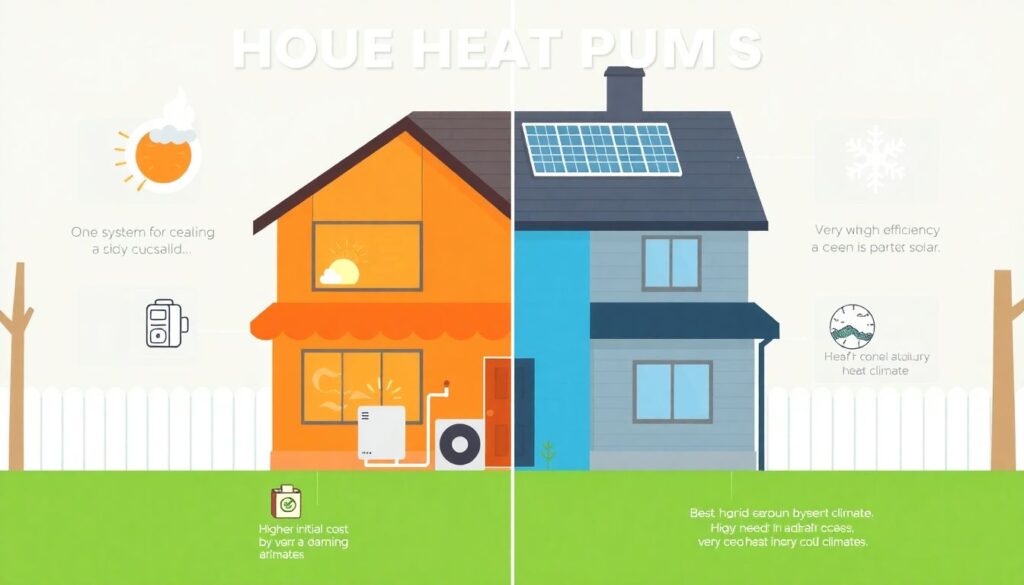
Heat pumps bring a stack of benefits: one system, year‑round use, and very high efficiency at part load. They are a smart move if your electricity is relatively clean or you’re planning rooftop solar. On the downside, initial cost can be higher, and in very cold climates you may need backup heat or a dual‑fuel configuration. Noise, outdoor placement, and defrost cycles can surprise people who are used to a quiet, indoor furnace. Smart shoppers ask pointed questions: what’s the expected efficiency at my actual winter temperatures, and how will this unit behave in the coldest week of the year?
—
Ductless Systems and Zoning
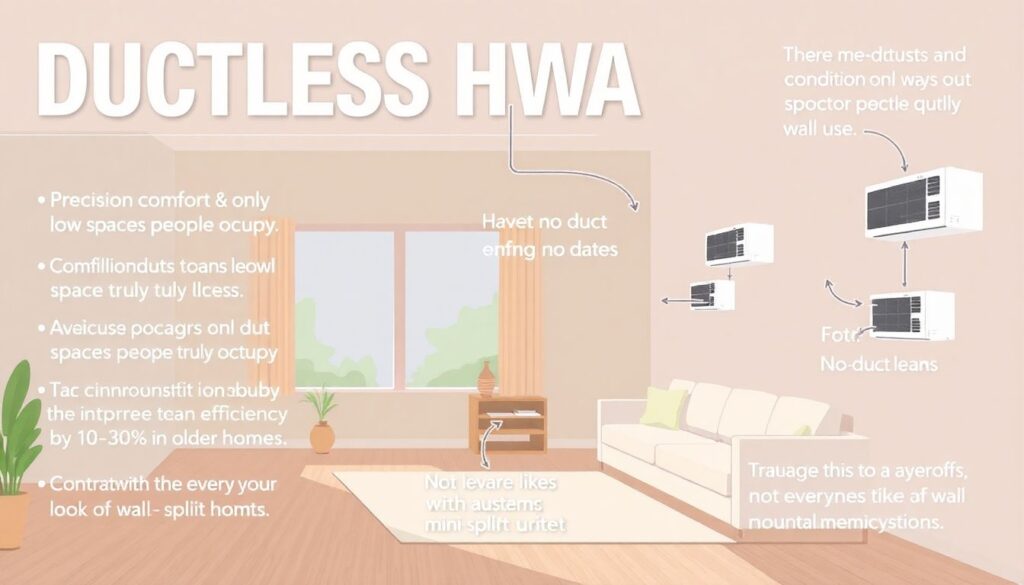
Ductless systems excel at precision comfort and low energy use, especially when you’re only conditioning spaces you truly occupy. No ducts also means no duct leaks, which alone can be a 10–30% efficiency bump in older homes. The tradeoff is aesthetics and planning: not everyone loves the look of wall‑mounted indoor units, and poorly thought‑out placement can lead to uneven comfort. Also, if you have many separate zones, the overall project cost can creep up. Think in terms of “comfort clusters” instead of one head per room; that saves money and still beats whole‑house, all‑or‑nothing systems in many situations.
—
Thinking Beyond Sticker Price: How to Judge Real Value
When you start comparing quotes, costs seem all over the map. One way to stay sane is to separate the numbers into three parts: equipment, installation, and long‑term operation. Smart buyers ask each contractor to show how much is going to the hardware and how much to labor and extras, then compare those against published efficiency ratings and estimated annual bills. A cheap install with sloppy ductwork and bad airflow can silently drain your wallet for a decade. It’s much smarter to buy energy efficient hvac system with installation done by a pro who actually measures airflow, seals ducts, and commissions the system properly, even if the upfront quote is a bit higher.
—
How to Choose Contractors Like a Pro
Stop Chasing Just the Lowest Bid
Most people start with price, typing something like “hvac system installation cost near me” into a search bar and collecting whatever quotes appear. A better tactic is to first shortlist companies based on competence and then compare cost between that smaller group. You’re hunting for the best hvac companies for home ac installation, not the cheapest truck with a ladder. Look for signs of professionalism: do they perform or at least discuss a load calculation, ask questions about insulation and windows, and talk about airflow and duct condition? Or do they immediately pitch a “bigger is better” unit based on square footage alone?
—
Questions That Reveal Who Knows Their Stuff
Here are simple questions that make it hard for a weak contractor to bluff their way through:
– How did you determine the system size you’re recommending for my home?
– What changes to my ductwork or airflow are included in your quote?
– Will you test static pressure and verify airflow on startup?
– What’s your process for warranty service and emergency calls?
If the answers are vague (“We’ve been doing this for 20 years, we just know”), proceed carefully. Skilled installers love talking about details, testing, and data; that’s a green flag.
—
Financing, Rebates, and “Stacking” Savings
Think Total Cash Flow, Not Just Upfront Pain

A high‑efficiency system can be a tough pill to swallow if you focus only on the initial invoice. In reality, the better question is: “What does this do to my monthly cash flow?” Between promotional loans, utility rebates, and federal or local incentives, the monthly payment for a more efficient system can be surprisingly close to—or even lower than—the payment for a cheaper, inefficient unit once you include energy savings. Many homeowners are now actively hunting for residential hvac replacement deals and financing that let them step up a tier in efficiency without torching their emergency fund. Smart shopping means asking each contractor not just about price, but about what incentives and financing structures they know how to work with.
—
Unconventional Money‑Saving Strategies
You’re not limited to whatever the first contractor offers. Consider these more creative moves:
– Time your project off‑season (spring or fall) when crews are less slammed; some companies discount installs or throw in upgrades.
– Ask about “orphaned” high‑end models from last year still sitting in a warehouse; they can be heavily discounted but just as effective.
– If you’re planning other home upgrades, coordinate: adding insulation or sealing air leaks first might let you choose a smaller, cheaper system.
Thinking like this shifts the game from “How do I pay for this?” to “How do I buy smarter so I need less equipment and get better terms on what I do buy?”
—
Non‑Obvious Ways to Cut HVAC Costs Without Suffering
Designing Your Comfort, Not Just Your Equipment
One underused trick is comfort zoning by behavior. Instead of trying to keep the whole house at one perfect temperature, identify where you actually live: maybe the main floor during the day and bedrooms at night. Oversized, single‑zone systems are blunt instruments. A smaller central system paired with one or two mini‑splits in key spots may cost about the same as a big central unit alone, but it gives you far more control and lower operating costs. You’re engineering your comfort pattern rather than simply upgrading machinery.
—
Use Smart Controls Like an Engineer, Not Like a Gadget Addict
Smart thermostats and connected controls can be overrated if you set them once and forget them. The real savings come when you use data. Spend a couple of weeks watching how your home actually responds: how quickly it heats or cools, which rooms lag, when the sun adds free warmth. Then program schedules and temperature setpoints around that behavior. Many utilities offer time‑of‑use rates; running pre‑cooling or pre‑heating during cheaper hours, then coasting, can shave a real chunk off your bill without sacrificing comfort.
—
Trends Shaping HVAC Choices in 2025
Electrification, Heat Pumps, and Tightening Standards
By 2025, heat pumps are no longer a niche experiment; they’re quickly becoming the default recommendation in many regions. Regulations keep nudging manufacturers toward higher minimum efficiencies and lower‑impact refrigerants. If you’re planning a system this year, expect more all‑electric options on every quote and more incentives nudging you in that direction. Your local building codes and utility programs are likely to be more heat‑pump‑friendly than even a few years ago, which tilts the long‑term math in their favor.
—
Smarter Homes, Smarter HVAC
Another big trend is integration. New systems are designed to play nicely with energy monitoring, battery storage, EV charging, and flexible grid programs. Instead of your HVAC just cycling on and off, it can respond to utility signals, weather forecasts, and your own routines. That’s especially valuable if you’re trying to squeeze the most from rooftop solar or time‑of‑use rates. Think of your HVAC not as an isolated appliance, but as one piece of an energy strategy that includes insulation, windows, shading, and smart loads like water heaters and EV chargers.
—
A Simple Game Plan for Smart Shopping
To wrap everything into something actionable, you can follow a short but effective roadmap:
– Clarify your goals: lowest upfront cost, lowest lifetime cost, lowest carbon footprint, or maximum comfort and quiet.
– Audit your home: insulation, windows, duct condition, and air leakage often matter as much as the brand on the nameplate.
– Shortlist contractors: use reviews, referrals, and the specific technical questions above to find a few trustworthy pros.
– Compare like a scientist: demand written quotes with equipment models, efficiency ratings, and included duct or airflow work.
– Look at total economics: energy use, rebates, and financing—not just the check you write on install day.
If you treat HVAC as a long‑term comfort and energy project rather than a rushed emergency purchase, you put yourself in control. Smart shopping for HVAC systems and installations is less about chasing the fanciest unit and more about aligning the right technology, sizing, and installer with the way you actually live in your home.