
Why Managing Student Debt and Saving Feels So Hard
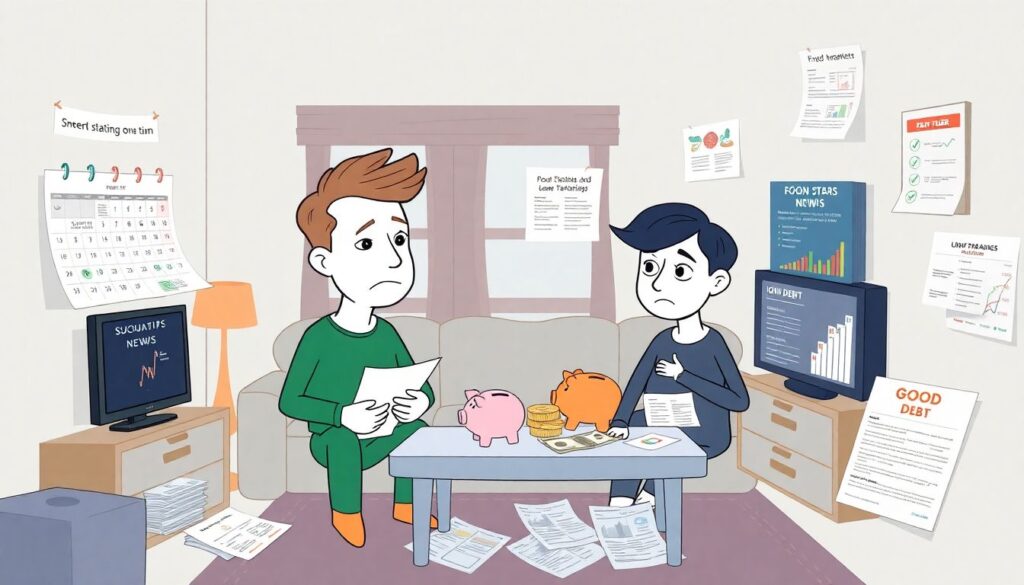
Пeople usually think of student loans and long‑term savings as two enemies fighting for the same dollar. In reality, they’re more like housemates who need ground rules. You’ve got fixed payments, unpredictable careers, pressure to invest, and constant noise about “good debt” vs “bad debt”. On top of that, headlines about student loan refinancing rates, market crashes, and inflation only add to the stress. A more grounded approach starts with understanding how we got here, then building a simple system: cover basics, automate key moves, and adjust as your income grows. It’s less about chasing hacks and more about consistent, boring actions that actually work in real life.
Historical Context: How Student Debt Became a Life Stage
Student loans used to be a bridge for a relatively small group of students; now they’re practically a rite of passage. Tuition rose faster than wages for decades, and families quietly shifted from “pay as you go” to “borrow now, figure it out later”. At the same time, credit became easier to get, while financial literacy lagged. Many graduates signed promissory notes without really grasping compounding interest or the long tail of repayment. That’s why today’s questions aren’t just about budgets; they’re about repairing a system where young professionals start careers already in the red, trying to juggle rent, retirement, and debt with very little guidance.
Core Principles: A Practical Order of Operations
Managing student debt while saving is easier when you treat it like a checklist instead of a mystery. Before worrying about optimization, lock in a basic safety net so a flat tire or medical bill doesn’t send you back to credit cards. Then you can decide how aggressively to attack loans versus investing. A useful mental model is: protect, stabilize, then accelerate. Protect means insurance and an emergency fund; stabilize is predictable payments and a realistic budget; accelerate is extra loan payments and long‑term investing. Once that structure is in place, it becomes much clearer how to pay off student loans faster while saving without burning out or living on instant noodles for ten years.
Step 1: Build a Minimal but Real Emergency Buffer

You don’t need a textbook “6 months of expenses” before you tackle loans, but you do need something. A common target is 1–2 months of bare‑bones costs in cash: rent, groceries, utilities, transport, medications. Parking that in one of the best high-yield savings accounts for graduates lets your buffer earn a bit more without locking it away. This isn’t an investment; it’s shock absorbers for your budget. With that cushion in place, surprise expenses are annoying, not catastrophic, and you’re far less likely to put emergencies on high‑interest credit cards, which would quietly sabotage all your careful loan and savings plans.
Step 2: Make a Clear, Honest Spending Plan
Budgets fail when they’re aspirational instead of real. Start by tracking a normal month without changing anything—just observe. Then group expenses into “musts” (housing, food, minimum payments), “nice‑to‑haves” (eating out, subscriptions), and “luxuries” (trips, gadgets). Your goal isn’t a perfect spreadsheet; it’s to see how much cash you truly have left after non‑negotiables. That number is what you can split between extra debt payments and savings. When things feel tight, you can adjust the nice‑to‑haves instead of randomly cutting back. This simple visibility often frees up more than people expect, because leaks—unused apps, impulse buys—finally show up in black and white.
– Track spending for 30 days before making big changes
– Sort expenses into “musts”, “nice”, “luxury”
– Decide a fixed monthly amount for extra debt + savings
Step 3: Decide Your Mix – Extra Payments vs. Investing
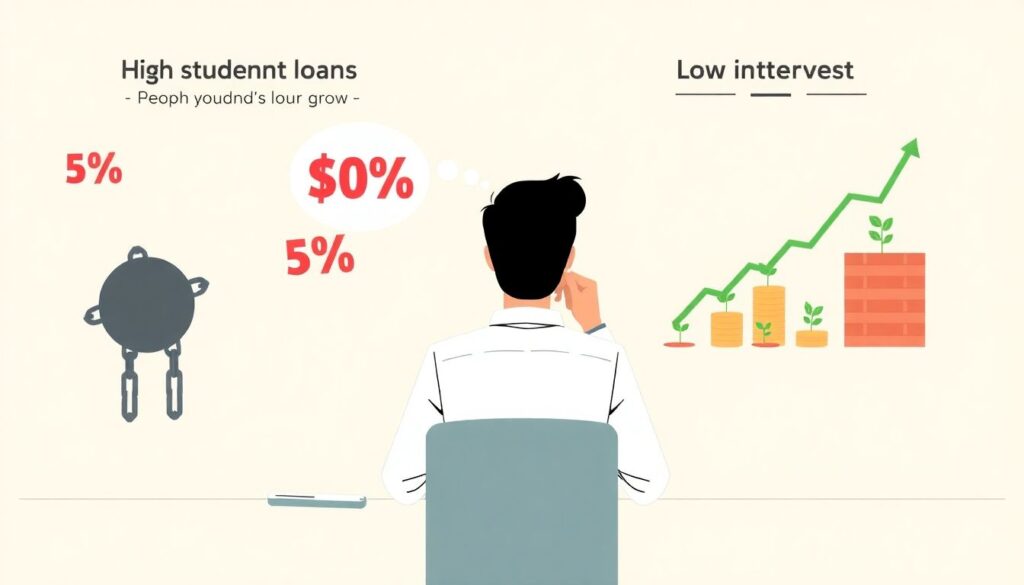
Choosing between crushing loans and growing investments hinges mainly on interest rates and your tolerance for risk. When rates are high, extra payments are almost like a guaranteed return. When they’re low, investing starts to look more attractive. One practical shortcut: if your loan interest is higher than what you reasonably expect from long‑term investing (often estimated at 6–8% before inflation), lean toward paying debt faster; if it’s lower, prioritize consistent investing while making on‑time minimums plus a bit extra. You don’t need a perfect answer; you need a sustainable one that keeps momentum and doesn’t leave you one layoff away from financial panic.
Using Refinancing and Consolidation Without Getting Burned
Refinancing and consolidation can be powerful tools, but they’re not magic. Lower student loan refinancing rates can reduce monthly payments or total interest, but only if you also look at fees, fixed vs. variable rates, and what benefits you might give up. Federal borrowers, for instance, risk losing income‑driven repayment or forgiveness options when moving to private loans. The best student loan consolidation companies tend to be transparent about terms, show total lifetime costs, and don’t pressure you into decisions. Reading reviews helps, but your own numbers matter more: plug your current payment, rate, and payoff date into a calculator and compare before signing anything.
– Check whether refinancing would forfeit federal protections
– Prefer fixed rates if your income is still unstable
– Compare total interest paid, not just the new monthly payment
Realistic Strategies to Pay Loans Faster While Still Saving
People often imagine “paying off fast” as doubling payments overnight, which isn’t realistic for most graduates. Instead, think in layers. Start with autopay for minimums so you never miss a due date. Then add a small, automatic extra payment—say $25–$75 per month—to the highest‑rate loan. Treat raises and bonuses as temporary: send a set percentage straight to debt and a slice to savings before you see it in your checking account. This is the practical side of how to pay off student loans faster while saving: lots of small, automated decisions that add up, rather than rare big heroic payments that only happen when you “feel ready.”
When to Bring in Professional Help
There’s a point where juggling multiple loans, tax questions, and long‑term goals becomes more than a weekend spreadsheet project. That’s when financial advisors for student loan debt can be useful—especially those familiar with public service forgiveness, income‑driven plans, and tax implications of potential loan cancellation. A good advisor won’t just tell you to “pay everything off ASAP”; they’ll map out trade‑offs between retirement accounts, emergency funds, and extra payments, based on your actual career path. If you go this route, look for fee‑only planners who charge a flat or hourly rate rather than commissions, so their recommendations aren’t quietly steered by the products they sell.
Examples: How Different Graduates Might Apply This
Case 1: The New Teacher with Federal Loans
Imagine a teacher with modest income and high federal loans. Instead of obsessing over rapid payoff, they might focus on qualifying for forgiveness via public service programs. Practically, that means making sure loans are in the right federal plan, payments are affordable under an income‑driven repayment, and paperwork is updated yearly. Savings wise, they could build a one‑month emergency fund, contribute enough to a pension or 403(b) to capture any employer match, and then send small extra payments only if cash flow allows. They’re playing a long game where consistency and program rules matter more than raw speed.
Case 2: The Engineer with High Income and Mixed Loans
Now take an engineer earning a strong salary with both federal and private loans at fairly high rates. Here, an aggressive payoff plan can make sense. They might refinance private loans to lower student loan refinancing rates, keep federal loans in a standard plan, and then max out tax‑advantaged retirement accounts while still making hefty extra payments. Because income is higher, they can skip some trade‑offs, but the structure is the same: modest emergency fund, automatic retirement contributions, then directed extra payments to the highest‑rate debt. If job stability is solid, they might choose a shorter refinance term to wipe out loans within five to seven years.
Common Myths That Quietly Slow You Down
Myth 1: “I Must Be Debt-Free Before I Start Saving”
Waiting to invest until every loan is gone sounds disciplined, but it usually backfires. You lose the early years of compounding, which are incredibly powerful. A more balanced strategy is to combine minimum payments, targeted extra debt reduction, and small but consistent investing right away, especially if you have access to an employer match. Even $50–$100 per month in a retirement account while you’re focused on loans can mean thousands more later. Think of it this way: your future self doesn’t care that you were perfectly “pure” about paying debt first; they care that you gave their investments time to grow.
Myth 2: “Consolidation Always Makes Things Cheaper”
Rolling loans into one payment feels cleaner, but simplicity isn’t the same as savings. Some consolidation offers stretch your repayment term, which lowers the monthly bill but increases total interest. Others bundle low‑rate and high‑rate loans together, accidentally raising what you pay on the cheaper debt. Even the best student loan consolidation companies can’t change the math: if your average interest rate goes up or your payoff date jumps far into the future without a good reason, you’re probably not helping yourself. Consolidation is a tool, not an upgrade badge, and the only way to judge it is to run the numbers before and after.
Bringing It All Together for the Next Decade
Managing student debt while saving for the future isn’t a one‑time decision; it’s a system you tweak as your life changes. Early on, you might lean toward flexibility: modest buffer, affordable payments, small investing. As your income grows, you can pivot toward speed: bigger extra payments, strategic refinancing, and higher investment contributions. The key is to keep all the moving parts visible—debt, savings, protection—and adjust based on real constraints, not guilt or social pressure. If you put a simple plan in writing, automate as much as possible, and review it once or twice a year, you’ll likely feel less stuck and more in control than most people carrying the same loans.
Комментарии